Kolisem: Integrating Smooth Handwritten Typography into Professional Design Workflows
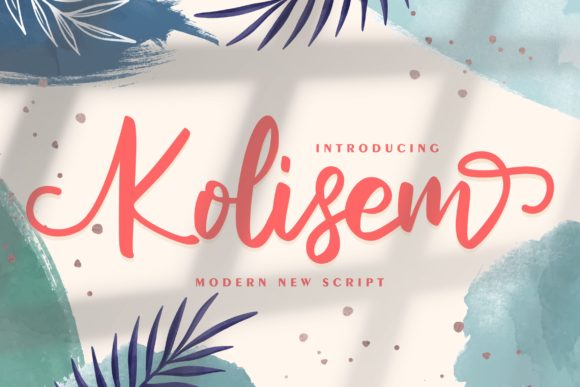
In the landscape of modern graphic design, typography serves as more than just a vessel for information; it is the primary driver of emotional resonance and brand identity. For designers, marketers, and content creators working within the fashion, lifestyle, and editorial sectors, selecting the right typeface is a critical decision that impacts the entire visual hierarchy of a project. Kolisem emerges as a distinct solution in this space, offering a sweet, brushed handwritten aesthetic defined by smooth curves and organic flow. Unlike rigid geometric sans-serifs or traditional serifs, Kolisem introduces a human touch that bridges the gap between professional polish and approachable warmth.
Integrating a font like Kolisem into your workflow requires more than simple installation. It demands an understanding of where handwritten scripts fit within broader design systems, how they interact with complementary assets, and how to maintain legibility while maximizing stylistic impact. This article explores the practical application of Kolisem, guiding you through its implementation in branding, editorial layouts, and digital media to ensure consistent, high-quality outcomes.
Understanding the Aesthetic and Functional Role of Kolisem
Kolisem is characterized by its brushed strokes and fluid connectivity, mimicking the natural movement of a hand holding a wide-tip marker or brush pen. This specific stylistic choice places it firmly in the category of display typography. It is not designed for long-form body text, nor should it be used for complex data tables or technical documentation. Instead, its strength lies in its ability to capture attention quickly and convey a specific mood—typically one of elegance, creativity, and personal connection.
When evaluating Kolisem for a project, consider its role in the visual hierarchy. In a typical design composition, handwritten fonts function best as accent elements. They draw the eye to key messages, such as headlines, pull quotes, product names, or call-to-action buttons. The smooth curves of Kolisem soften the overall aesthetic of a layout, providing a counterbalance to sharper, more structured elements. This contrast is essential in fashion branding, where the interplay between rigidity (structure, tailoring) and fluidity (fabric, movement) often defines the brand narrative.
Strategic Implementation in Branding and Identity Systems
For entrepreneurs and small business owners, particularly those in the beauty, wellness, or boutique retail sectors, Kolisem offers a versatile tool for establishing brand identity. However, successful implementation requires careful planning to avoid clichés associated with overly decorative scripts. The key is restraint and context.
Logo Development and Wordmarks
When using Kolisem for logo design, focus on simplicity. Because handwritten fonts can become illegible at smaller sizes, ensure that the kerning and scaling allow for clear recognition. Test the font across various applications, from social media avatars to physical packaging labels. Kolisem’s smooth curves translate well to embossed textures on paper goods, adding a tactile dimension to the brand experience. When paired with a minimalistic icon or a clean sans-serif subtext, Kolisem creates a balanced logotype that feels both premium and accessible.
Packaging and Product Labels
In product design, typography influences perceived value. Kolisem works exceptionally well on packaging for artisanal goods, such as candles, skincare products, or gourmet foods. The handwritten style suggests craftsmanship and attention to detail. To implement this effectively, use Kolisem for the product name or variant description, while relying on a highly legible sans-serif font for ingredient lists, regulatory information, and instructions. This separation ensures compliance with readability standards while maintaining the desired aesthetic appeal.
Enhancing Editorial and Content Layouts
Editors, bloggers, and publishers can leverage Kolisem to break the monotony of standard web and print layouts. In editorial design, whitespace and typographic variation are crucial for guiding the reader’s journey. Kolisem serves as an effective tool for creating visual anchors within long-form content.
- Chapter Headers and Section Breaks: Use Kolisem to distinguish major sections in magazines, e-books, or blog posts. Its distinctive style signals a transition, helping readers mentally reset before engaging with new content.
- Pull Quotes and Testimonials: Highlighting key insights or customer reviews with Kolisem adds emphasis and personality. The organic nature of the font makes testimonials feel more authentic and personal, enhancing trust and engagement.
- Cover Designs: For digital guides, whitepapers, or physical books, Kolisem can serve as the primary title font. Ensure sufficient contrast against the background image or color block to maintain visibility.
When integrating Kolisem into web design, consider load times and rendering consistency. Web fonts must be optimized to ensure they display correctly across different browsers and devices. Always define fallback fonts in your CSS stack to prevent layout shifts if the custom font fails to load. Pair Kolisem with a robust, system-friendly sans-serif for body text to ensure optimal reading experiences on mobile devices.
Workflow Integration and Technical Considerations
Adopting Kolisem into your daily creative process involves more than aesthetic selection; it requires technical compatibility and organizational discipline. Whether you are a freelancer managing multiple client projects or an in-house designer maintaining brand consistency, proper file management is essential.
Software Compatibility
Kolisem is compatible with major design platforms, including Adobe Photoshop, Illustrator, InDesign, and Canva. Before beginning a project, verify that the font files (usually OTF or TTF) are installed correctly on your operating system. For team environments, consider using font management software to activate Kolisem only when needed, reducing system resource usage and preventing font conflicts.
Pairing and Contrast
The effectiveness of Kolisem depends heavily on its typographic partners. Avoid pairing it with other script or handwritten fonts, as this creates visual clutter and reduces readability. Instead, choose complementary typefaces that offer strong structural contrast. Clean geometric sans-serifs or neutral humanist sans-serifs work best, allowing Kolisem to shine as the focal point without competing for attention. Establish a clear hierarchy: use Kolisem for H1 or H2 headers, and reserve simpler fonts for H3 subheaders and body paragraphs.
Color and Background Interaction
Handwritten fonts rely on stroke continuity. Thin lines can disappear against busy backgrounds or low-contrast color combinations. When using Kolisem, ensure high contrast between the text and background. Solid colors or subtle gradients work better than complex photographic textures. If placing Kolisem over an image, use overlay techniques, such as semi-transparent shapes or drop shadows, to enhance legibility without obscuring the underlying visual.
Quality Control and Long-Term Usage
Maintaining consistency across multiple touchpoints is a common challenge when using distinctive fonts like Kolisem. Over time, brands may drift in their application of typography, leading to a fragmented identity. To mitigate this, create a simple style guide that specifies exactly how and where Kolisem should be used.
Define minimum size restrictions to prevent illegibility. Specify acceptable color palettes and prohibited background combinations. Document preferred pairings and provide examples of correct and incorrect usage. This documentation ensures that anyone interacting with your brand assets—from external agencies to internal marketing teams—applies Kolisem consistently, preserving the integrity of your visual identity.
Furthermore, regularly audit your existing materials. Check older designs to ensure they align with current standards. As design trends evolve, the way you utilize Kolisem may need adjustment. For instance, shifting from dense, text-heavy layouts to more spacious, minimalist designs might require resizing or repositioning Kolisem elements to maintain balance.
Conclusion: Elevating Projects with Purposeful Typography
Kolisem is more than a decorative element; it is a strategic tool for enhancing communication and emotional connection in design. By understanding its strengths—smooth curves, organic flow, and handwritten charm—you can integrate it effectively into fashion branding, editorial layouts, and digital content. Success lies in disciplined application: using it sparingly, pairing it with contrasting typefaces, and ensuring technical compatibility across platforms.
When added confidently to your projects, Kolisem delivers a refined, human-centric aesthetic that resonates with audiences. It transforms standard layouts into engaging visual experiences, supporting your broader goals of clarity, consistency, and brand distinction. Whether you are refining a logo, designing a product label, or structuring an online article, Kolisem provides the perfect blend of elegance and approachability, ensuring your work stands out in a crowded visual landscape.