Heseick: Elevating Design with Vintage Handwritten Typography
In the vast landscape of digital typography, finding a font that bridges the gap between modern usability and nostalgic charm is a rare discovery. Heseick emerges as a distinctive solution for designers seeking to infuse their projects with personality and warmth. As a cool, vintage-styled, paint-brushed handwritten typeface, it offers more than just aesthetic appeal; it provides a communicative tool that speaks directly to the viewer’s emotions. This article explores the nuanced characteristics of Heseick, its practical applications across various industries, and the strategic considerations for implementing handwritten fonts effectively in professional design workflows.
The Aesthetic Anatomy of Paint-Brushed Typography
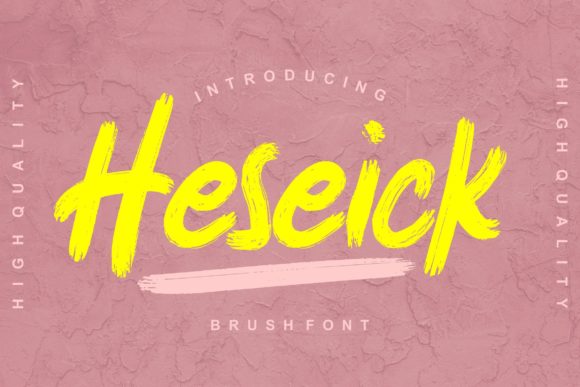
To understand the value of Heseick, one must first appreciate the mechanics of paint-brushed lettering. Unlike standard sans-serif or serif fonts that rely on geometric precision, handwritten typefaces mimic the organic flow of human motion. Heseick captures the texture of bristles against paper, featuring irregular stroke widths, subtle ink splatters, and natural variations in line weight. These imperfections are not flaws; they are the defining features that create authenticity.
The "vintage" aspect of Heseick refers to its ability to evoke a sense of timelessness. It draws inspiration from mid-century signage and hand-lettered advertisements, yet it remains clean enough for contemporary digital interfaces. This duality allows it to function effectively in both retro-themed projects and modern minimalist designs where a touch of humanity is required to soften rigid layouts. The font’s structure suggests a personalized style, making every piece of content feel crafted rather than mass-produced.
Strategic Applications in Brand Identity and Logo Design
One of the most powerful use cases for Heseick is in brand identity, particularly for businesses that prioritize approachability and craftsmanship. Logos serve as the visual anchor of a brand, and a handwritten font can immediately signal values such as creativity, care, and individuality.
- Boutique Retailers: Small businesses selling handmade goods, artisanal foods, or vintage clothing benefit immensely from Heseick. The font reinforces the narrative of human touch and quality.
- Creative Agencies: Design firms and marketing consultancies often use handwritten elements in their logos to demonstrate flexibility and creative thinking.
- Lifestyle Brands: Companies focused on wellness, yoga, or organic living find that the soft, flowing lines of Heseick align perfectly with their calming brand ethos.
When using Heseick for logos, it is crucial to consider legibility at smaller sizes. While the font is beautiful, intricate brush details may disappear when scaled down for favicon usage or mobile app icons. Designers often pair Heseick with a clean, simple sans-serif font for taglines or secondary text to ensure clarity while maintaining the primary brand personality.
Enhancing Emotional Connection in Event Stationery
The realm of event planning, particularly weddings and formal gatherings, relies heavily on typography to set the tone before guests even arrive. Heseick is exceptionally well-suited for wedding invitations, thank you cards, and save-the-date notices. In this context, the font does more than convey information; it conveys sentiment.
Wedding invitations using Heseick suggest a celebration that is intimate, stylish, and personally curated. The paint-brushed effect adds a layer of elegance that feels less corporate and more celebratory. For thank you cards, the handwritten style mimics the effort of a personal note, enhancing the recipient's feeling of being valued. This emotional resonance is difficult to achieve with standard system fonts, making Heseick a preferred choice for stationery designers who aim to create memorable physical keepsakes.
Greeting Cards and Personal Correspondence
Beyond weddings, the application of Heseick extends to general greeting cards. Whether for birthdays, anniversaries, or holidays, the font’s versatile style allows it to adapt to various moods. When paired with watercolor illustrations or minimalistic graphics, Heseick creates a cohesive design language that feels warm and inviting. For creators selling digital or print-on-demand greeting cards, utilizing a unique font like Heseick can differentiate their products in a saturated market, offering buyers a distinct aesthetic that stands out on retail shelves.
Practical Implementation in Digital and Print Media
Integrating Heseick into design projects requires a balanced approach to ensure readability and visual harmony. While the font is visually striking, overuse can lead to cognitive fatigue for the reader. Here are several best practices for implementing Heseick effectively:
- Hierarchy is Key: Use Heseick primarily for headlines, titles, and short phrases. Avoid using it for long paragraphs of body text, as the varying stroke widths can reduce reading speed and comprehension.
- Contrast and Pairing: Pair Heseick with neutral, structured fonts. A geometric sans-serif or a classic serif font provides a stable foundation that allows the handwritten elements to shine without competing for attention.
- Color Considerations: The texture of Heseick interacts dynamically with color. Dark charcoal or deep navy often highlights the brush details better than pure black. Conversely, using lighter pastel shades can enhance its vintage, soft appeal, provided there is sufficient contrast against the background.
- Spacing and Kerning: Handwritten fonts often have unique spacing requirements. Adjusting kerning manually may be necessary to prevent letters from overlapping awkwardly or appearing too distant, ensuring the natural flow of the script is maintained.
The Role of Authenticity in Modern Marketing
In an era dominated by AI-generated content and automated design tools, consumers are increasingly craving authenticity. Brands that utilize assets like Heseick tap into this desire for human connection. The imperfect nature of paint-brushed typography signals that there is a human behind the brand, someone who cares about the details. This psychological impact is significant in marketing campaigns aimed at building trust and loyalty.
For educators and researchers studying consumer behavior, the shift towards handwritten aesthetics represents a broader trend against sterile, corporate minimalism. Heseick serves as a case study in how typography influences perception. It demonstrates that design choices are not merely decorative but are strategic tools that communicate brand values and foster emotional engagement. By choosing a font with character, businesses can differentiate themselves in a crowded marketplace, appealing to audiences who value craftsmanship and individuality.
Considerations for Licensing and Professional Use
For professional designers and business owners, understanding licensing is a critical component of using any typeface. Heseick, like many premium fonts, comes with specific usage rights that must be respected. Whether used for a local bakery’s menu or a global advertising campaign, ensuring proper licensing protects both the creator and the user. It is advisable to review the license agreement carefully to determine if the font covers web embedding, print distribution, and commercial merchandise. Respecting intellectual property rights supports the ecosystem of independent type designers who continue to innovate and provide high-quality resources like Heseick to the creative community.
Conclusion: The Enduring Appeal of Handcrafted Style
Heseick stands out as a versatile and impactful typographic choice for a wide array of design needs. Its ability to blend vintage charm with modern relevance makes it an invaluable asset for creators aiming to add a personalized touch to their work. From wedding invitations that whisper elegance to logos that shout creativity, Heseick facilitates a deeper connection between the message and the audience. By understanding its characteristics and applying it with strategic intent, designers can leverage the power of handwritten typography to create compelling, authentic, and visually stunning communications. As design trends continue to evolve, the demand for fonts that offer genuine human warmth will remain strong, securing the place of tools like Heseick in the future of visual storytelling.