Shilling: Integrating a Relaxed Handwritten Font into Professional Workflows
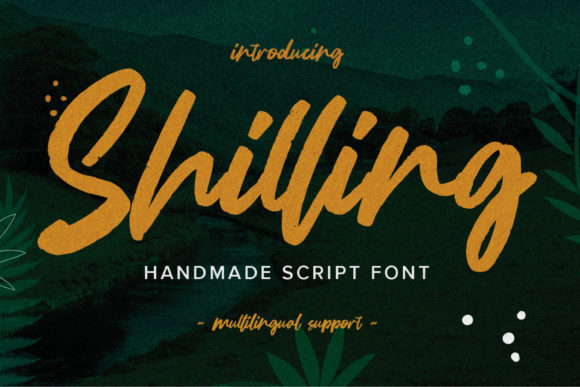
In the landscape of digital design and brand communication, typography often serves as the silent ambassador of your message. While sans-serif fonts dominate corporate interfaces for their readability, there is a growing need for typefaces that inject personality, warmth, and human touch into visual projects. Shilling emerges in this space as a relaxed and paint-brushed handwritten font, masterfully designed to become a true favorite for creators who value both aesthetics and usability. It maintains its classy calligraphic influences while feeling contemporary and fresh, making it a versatile asset for a wide range of professional applications.
For professionals, entrepreneurs, and marketers, integrating a font like Shilling is not merely about selecting a pretty typeface; it is about understanding where it fits within a broader creative process. This article explores how to effectively implement Shilling into your workflow, ensuring it enhances rather than distracts from your core objectives.
Understanding the Role of Shilling in Visual Hierarchy
Before diving into implementation, it is crucial to define the specific role Shilling plays in your design ecosystem. As a handwritten script with a paint-brushed texture, it carries inherent weight and character. It is not designed for long-form body text or dense informational layouts. Instead, its strength lies in its ability to capture attention and convey emotion quickly.
When planning a project, consider Shilling as a primary tool for emphasis and brand personality. It works best when used sparingly to highlight key messages, headlines, or short quotes. By restricting its use to these high-impact areas, you preserve its uniqueness and prevent visual fatigue. This strategic limitation is a key component of effective design planning, ensuring that every element serves a distinct purpose in the user’s journey.
Pre-Production: Preparation and Compatibility Checks
Successful integration of any new asset begins with preparation. Before committing to Shilling for a major campaign or brand overhaul, assess its compatibility with your existing visual identity.
- Audit Current Assets: Review your current logo, marketing materials, and website typography. Determine if a handwritten element complements or clashes with your established geometric or serif fonts.
- Define the Tone: Shilling exudes a relaxed yet classy vibe. Ensure this aligns with the emotional tone you wish to convey. It is ideal for brands aiming for approachability, creativity, or artisanal quality, but may be less suitable for highly regulated industries requiring strict formalism.
- Technical Verification: Confirm that the font file format (OTF, TTF, or WOFF) is compatible with your design software and web platforms. For web use, ensure you have the appropriate licensing for digital embedding to avoid legal complications later in the process.
This preparatory phase minimizes revisions downstream. By establishing clear guidelines on where and how Shilling will be used, you create a framework that streamlines decision-making during the active design phase.
Implementation Strategies Across Different Mediums
Once the strategic foundation is laid, the next step is practical execution. Shilling’s versatility allows it to function effectively across various mediums, provided it is paired correctly with supporting elements.
Digital Marketing and Social Media
In social media graphics, attention spans are short. Shilling’s bold, brush-stroke style makes it an excellent choice for overlay text on images. Use it for:
- Quote Graphics: Pair Shilling with a clean, minimal background to let the typography stand out. The handwritten feel adds a personal touch that resonates well with audiences seeking authenticity.
- Call-to-Action Buttons: While not ideal for small button text, it can be used in larger promotional banners to highlight limited-time offers or special announcements, creating a sense of urgency and exclusivity.
- Story Highlights: Use Shilling for cover icons or titles in Instagram or Facebook stories to maintain a cohesive aesthetic that feels curated and intentional.
When implementing Shilling in digital spaces, always test legibility across different screen sizes. What looks clear on a desktop monitor may become illegible on a mobile device. Adjust tracking and size accordingly to maintain readability without sacrificing the font’s natural flow.
Print Materials and Packaging
The tactile nature of print benefits significantly from the organic texture of Shilling. For entrepreneurs and small business owners, this font can elevate product packaging and printed collateral.
Consider using Shilling for product labels, especially for artisanal goods like candles, cosmetics, or food items. The paint-brushed effect mimics hand-labeling, suggesting craftsmanship and care. In brochures or business cards, use it for names or taglines, pairing it with a highly readable sans-serif for contact details. This contrast ensures that the artistic flair of Shilling does not compromise the functional necessity of clear information delivery.
Web Design and User Interface
Integrating handwritten fonts into web design requires careful balance. Shilling should never be used for navigation menus or body paragraphs. Instead, deploy it in hero sections, section headers, or testimonial blocks.
To ensure smooth performance, optimize the font file for web use. Subset the font to include only the characters you need, reducing load times and improving user experience. Additionally, provide a fallback font stack in your CSS to ensure that if Shilling fails to load, the layout remains structurally sound and visually acceptable.
Pairing Shilling with Complementary Typefaces
A critical aspect of using Shilling effectively is understanding its relationships with other fonts. A handwritten font rarely stands alone; it thrives in contrast.
Sans-Serif Pairings: Clean, geometric sans-serifs provide a modern counterpoint to Shilling’s organic curves. This combination is safe, professional, and widely applicable. It works well for tech startups, modern blogs, and minimalist brands.
Serif Pairings: For a more traditional or luxurious feel, pair Shilling with a classic serif font. The juxtaposition of the rough brush strokes against the refined serifs creates a sophisticated tension that appeals to high-end markets, such as wedding planners, boutique hotels, or luxury retailers.
When selecting a pairing, focus on x-height compatibility and visual weight. The supporting font should not compete with Shilling for attention but rather frame it, allowing the handwritten element to shine as the focal point.
Quality Control and Consistency Maintenance
As your project moves from creation to deployment, maintaining consistency is vital. Inconsistent use of Shilling can dilute brand recognition and confuse users. Establish a style guide that dictates:
- Minimum Size: Define the smallest point size at which Shilling remains legible.
- Color Palette: Specify which colors work best with the font’s texture. Darker, solid colors often render brush details better than light pastels, which may lose definition.
- Spacing Rules: Handwritten fonts often have unique kerning needs. Set guidelines for letter-spacing and line-height to ensure optimal readability and aesthetic balance.
Regular audits of your published materials help ensure adherence to these standards. For teams, sharing a template library with pre-configured Shilling styles can streamline production and reduce errors.
Long-Term Value and Adaptability
Investing in a high-quality font like Shilling offers long-term benefits. Its contemporary yet timeless design ensures it remains relevant despite shifting trends. As your brand evolves, Shilling can adapt to new contexts, from video thumbnails to email signatures, providing a consistent thread of personality across all touchpoints.
Moreover, the emotional connection fostered by handwritten typography can enhance customer loyalty. In an increasingly digital world, the human element conveyed by Shilling can differentiate your brand, making it feel more accessible and relatable. This subtle psychological impact contributes to higher engagement rates and stronger brand recall.
By approaching Shilling not just as a decorative element but as a strategic tool within your design workflow, you maximize its potential. Whether you are a freelancer crafting a personal portfolio or a marketer launching a new campaign, the thoughtful integration of this font can elevate your output, blending professionalism with a touch of artistic flair. The key lies in disciplined application, strategic pairing, and a commitment to clarity, ensuring that Shilling serves your goals rather than overshadowing them.