Paperbreak: The Handwritten Font With Soul
There is a distinct moment in the design process when a project feels technically correct but emotionally flat. You have chosen safe colors, aligned your grids, and selected a reliable sans serif font for body copy. Yet, something is missing. The work lacks a heartbeat. This is often where designers turn to typography that breaks the rigid rules of modernism, seeking a typeface that carries the warmth of human touch. Enter Paperbreak, a unique brushed handwritten font that manages to bridge the gap between professional polish and personal charm.
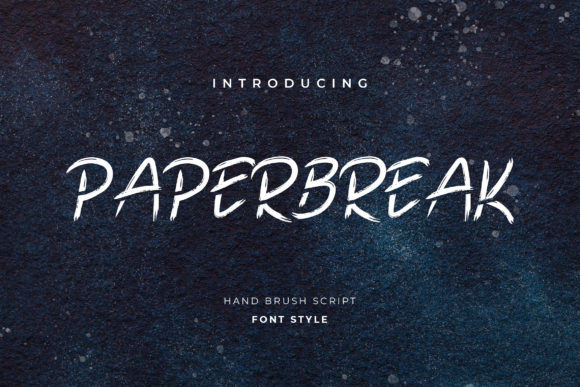
Unlike many digital scripts that feel overly manufactured or excessively decorative, Paperbreak offers a natural and simple style. It mimics the organic flow of ink on paper, complete with subtle variations in stroke weight that suggest the pressure of a hand holding a brush. This inherent imperfection is its greatest strength. In an era dominated by sterile, geometric modern typography, a font that feels authentically human creates an immediate connection with the viewer. It suggests that there is a person behind the brand, not just an algorithm.
Visual Personality and Design Appeal
To understand why Paperbreak resonates with such a diverse audience, we must look at its visual characteristics. It is not merely a script font; it is a study in controlled spontaneity. The letters feature a brushed texture that adds depth without sacrificing legibility. This texture prevents the font from appearing too clean or clinical, giving it a tactile quality that works exceptionally well in both digital and print mediums.
The personality of Paperbreak is approachable yet confident. It does not shout for attention like some aggressive display fonts, nor does it whisper timidly. Instead, it speaks with the clarity of a friendly conversation. This makes it incredibly fitting for a large pool of designs. Whether you are crafting a logo for a boutique coffee shop or designing headers for a lifestyle blog, the font adapts to the context while maintaining its core identity. Its simplicity ensures that it does not overpower other design elements, allowing it to serve as a supportive yet distinctive voice in your visual hierarchy.
For brand strategists, this balance is crucial. A brand identity built around Paperbreak communicates transparency and authenticity. It tells customers that the business values craftsmanship and personal connection. This is particularly effective for small business owners and entrepreneurs who rely on building trust with their local or niche communities. The font acts as a visual handshake, inviting the audience in rather than keeping them at a distance.
Versatile Applications Across Industries
The versatility of Paperbreak extends far beyond simple headings. Because it strikes a balance between casual and refined, it can be deployed across various sectors without feeling out of place. Here is how different professionals can leverage this creative font:
- Logo Design: For businesses in the wellness, artisanal food, or creative services sectors, Paperbreak provides a memorable logotype. It stands out against standard corporate typography, helping new brands establish recognition quickly.
- Packaging Design: On product labels, especially for handmade goods, organic cosmetics, or craft beverages, the brushed texture of Paperbreak complements physical materials like kraft paper or textured cardstock. It enhances the perceived value of the product by suggesting careful, manual preparation.
- Social Media Graphics: In the fast-paced world of Instagram and Pinterest, visuals must stop the scroll. Paperbreak works beautifully for quote graphics, promotional announcements, and story overlays. Its readability ensures that messages are consumed quickly, even on small screens.
- Editorial Design: Publishers and bloggers can use Paperbreak for pull quotes, chapter titles, or section breaks. It adds visual interest to long-form content, breaking up monotony and guiding the reader’s eye through the narrative.
- Web Design: When used sparingly in hero sections or call-to-action buttons, Paperbreak adds a layer of sophistication to minimalist websites. It softens the hard edges of UI elements, creating a more welcoming user experience.
The key to success in these applications is restraint. While Paperbreak is a powerful tool, it is not a substitute for body text. Its role is to accentuate, highlight, and humanize. By reserving it for high-impact areas, you preserve its novelty and ensure it remains effective.
Strategic Pairing and Implementation
Choosing the right font pairing is essential to maximizing the potential of Paperbreak. Because it is a handwritten style with significant character, it requires a stable partner to ground the design. The most effective combinations usually involve a neutral sans serif font or a classic serif font for secondary text and body copy.
For instance, pairing Paperbreak with a clean, geometric sans serif creates a contemporary contrast that feels fresh and modern. The stability of the sans serif allows the handwritten elements of Paperbreak to shine without making the overall composition feel chaotic. Alternatively, pairing it with a traditional serif can evoke a sense of heritage and elegance, suitable for wedding invitations, high-end publishing, or luxury branding.
When evaluating project fit, consider the tone of your message. If your goal is to convey strict authority or technical precision, Paperbreak may not be the primary choice. However, if you aim to engage, inspire, or comfort, it is an ideal candidate. Always test the font at various sizes. While it is highly legible for a handwritten style, extremely small sizes may lose the nuance of the brush strokes. Ensure that the premium font files you acquire include the necessary weights and glyphs to support your specific language and design requirements.
Furthermore, always review the commercial licensing terms. As a commercial font, Paperbreak is designed for professional use, but understanding the scope of the license—whether for web, print, or app embedding—is a critical step for any designer or business owner. Protecting your legal standing ensures that your creative assets remain secure and compliant.
Elevating Brand Perception Through Typography
Ultimately, typography is more than just arranging letters; it is about shaping perception. Paperbreak influences how an audience feels about a brand before they even read the content. It signals approachability, creativity, and attention to detail. In a crowded marketplace, these subtle cues can differentiate a generic entity from a beloved brand.
Consistency is vital. Once you integrate Paperbreak into your design assets, use it consistently across all touchpoints. This repetition builds familiarity and trust. Over time, the font becomes synonymous with your brand’s voice. Customers begin to recognize the style instantly, associating the warm, brushed strokes with the quality and personality of your offerings.
For content creators and marketers, this means that Paperbreak is not just a aesthetic choice but a strategic one. It helps maintain a cohesive visual narrative that supports your broader marketing goals. Whether you are designing a newsletter, a product package, or a website banner, the font serves as a unifying thread that ties disparate elements together.
In conclusion, Paperbreak offers a rare combination of simplicity and character. It is a tool for those who wish to infuse their work with humanity without sacrificing professionalism. By understanding its visual strengths and applying it with intention, designers and business owners can create compelling, engaging, and memorable experiences. The only limit is your imagination, but with Paperbreak, you have a reliable partner to help bring those ideas to life.