Cimonta: The Brushed Display Font for Modern, Playful Design
In the vast landscape of digital typography, finding a typeface that strikes the perfect balance between personality and professionalism can feel like searching for a needle in a haystack. Designers often find themselves toggling between rigid, corporate sans-serifs and overly decorative scripts that sacrifice readability for flair. Enter Cimonta, a brushed display font that has quietly become a favorite among creators who value both aesthetics and versatility. With its cool, neat, and simple style, Cimonta offers a refreshing alternative for projects that demand attention without shouting.
This article explores why Cimonta has gained traction across various design disciplines, examining its unique characteristics, ideal use cases, and practical considerations for integrating it into your creative workflow. Whether you are a seasoned graphic designer, a small business owner crafting your brand identity, or a content creator looking to elevate your social media presence, understanding the nuances of this font can help you make more informed design decisions.
The Aesthetic Appeal of Brushed Typography
Brushed fonts occupy a unique niche in typography. They mimic the organic texture of hand-painted lettering, bringing a human touch to digital interfaces and print materials. Unlike standard vector fonts that appear perfectly smooth and uniform, brushed typefaces retain the subtle imperfections of a physical brushstroke. This texture adds depth, warmth, and a sense of authenticity that sterile fonts often lack.
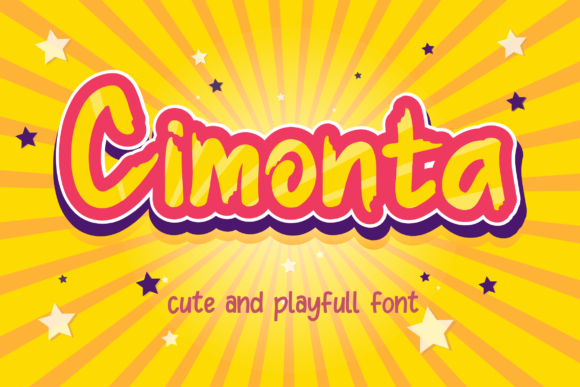
Cimonta leverages this aesthetic effectively. It is not merely a script font; it is a display font designed to stand out. Its "cool" factor comes from the way it balances the roughness of the brush with a structured, legible underlying form. The result is a typeface that feels approachable and fun, yet remains neat enough to be taken seriously in professional contexts. This duality is what makes it suitable for a wide variety of designs, allowing it to adapt to different tones depending on how it is paired with other elements.
Key Characteristics That Define Cimonta
To truly appreciate the utility of Cimonta, one must look closely at its structural DNA. Several key features contribute to its popularity:
- Organic Texture: The brushed edges provide a tactile quality that invites the viewer to look closer, creating a more engaging visual experience.
- Simple Geometry: Despite its textured surface, the letterforms are based on simple, clean shapes. This ensures that the font remains readable even at smaller sizes or when viewed from a distance.
- Versatile Weight: Cimonta typically offers a consistent stroke width that is bold enough to command attention but not so heavy that it overwhelms the composition.
- Playful Yet Neat: The font avoids excessive flourishes or tangled ligatures, maintaining a tidy appearance that prevents visual clutter.
These characteristics make Cimonta a "go-to" font for occasions where clarity and character are equally important. It does not require extensive tweaking to look good; its inherent design handles much of the heavy lifting.
Practical Applications Across Industries
One of the most compelling arguments for adopting Cimonta is its broad applicability. Because it sits comfortably between casual and professional, it can serve diverse industries. Here are several real-world scenarios where Cimonta shines:
- Brand Identity and Logos: For startups and small businesses, particularly in lifestyle, food, and creative sectors, Cimonta provides a memorable logo foundation. It conveys friendliness and approachability, which are crucial for building customer trust.
- Social Media Graphics: In the fast-paced world of Instagram, Pinterest, and TikTok, visuals must grab attention instantly. Cimonta’s bold, brushed style works exceptionally well for quote cards, promotional banners, and story highlights.
- Packaging Design: Product packaging benefits from typography that suggests craftsmanship. Whether it is a artisanal coffee bag, a craft beer label, or a handmade soap wrapper, Cimonta adds a premium, handcrafted feel.
- Event Invitations and Headers: From wedding invitations to corporate retreat flyers, Cimonta adds a celebratory tone without appearing overly formal or stiff.
- Web Headers and Hero Sections: On websites, large display fonts are essential for hero sections. Cimonta’s readability ensures that key messages are communicated clearly while adding visual interest to the landing page.
By understanding these applications, designers can better judge when to deploy Cimonta for maximum impact. It is not just about making things look pretty; it is about using typography to communicate the right emotional cue to the audience.
Evaluating Suitability: When to Use (and When to Avoid) Cimonta
While Cimonta is versatile, no single font is a universal solution. Understanding its limitations is just as important as recognizing its strengths. A critical eye helps ensure that the font enhances rather than detracts from the overall design.
Ideal Scenarios
Cimonta is best utilized in short-form text. As a display font, it is optimized for headlines, titles, and short phrases. Its personality shines when given space to breathe. If your goal is to evoke feelings of creativity, relaxation, fun, or artisanal quality, Cimonta is an excellent choice. It pairs particularly well with minimalist layouts, where its texture becomes the focal point against ample white space.
Considerations and Limitations
However, there are contexts where Cimonta may not be the best fit:
- Body Text: Due to its brushed texture and display nature, Cimonta is not suitable for long paragraphs. The irregular edges can cause eye fatigue when reading extended passages. Always pair it with a clean, highly legible sans-serif or serif font for body copy.
- Highly Corporate or Legal Contexts: While neat, the playful nature of Cimonta may clash with industries that require an image of strict authority, such as law firms or financial institutions, unless used very sparingly.
- Low-Resolution Displays: Brushed fonts can sometimes lose their detail on low-resolution screens or when printed at very small sizes. Ensure that the final output medium supports the fidelity of the brush strokes.
By keeping these constraints in mind, you can avoid common pitfalls and ensure that your use of Cimonta remains effective and professional.
Tips for Pairing and Implementation
To get the most out of Cimonta, consider how it interacts with other design elements. Typography does not exist in a vacuum; it is part of a larger visual ecosystem.
Contrast is Key: Since Cimonta has a distinct texture, pair it with fonts that are smooth and uniform. A geometric sans-serif like Montserrat or a classic serif like Garamond can provide a stable foundation that allows Cimonta to pop without creating visual chaos.
Color Choices: The brushed effect of Cimonta often looks best in high-contrast combinations. Dark charcoal on off-white, or vibrant colors against neutral backgrounds, can highlight the texture. Avoid using it in low-contrast situations where the delicate edges of the brush might disappear.
Spacing and Kerning: Display fonts often require manual adjustment of spacing. Give Cimonta enough room to breathe. Tight kerning can make the brushed edges collide, reducing legibility. Conversely, generous letter-spacing can enhance its airy, modern feel.
Conclusion: Making Cimonta Your Go-To Resource
In a digital age where attention spans are short and visual competition is fierce, having a reliable, versatile typeface like Cimonta in your toolkit is invaluable. It bridges the gap between the informal charm of hand-lettering and the precision of digital design. Its neat, simple style ensures that it remains professional, while its brushed texture injects the fun and personality that modern audiences crave.
Whether you are designing a new brand identity, crafting a social media campaign, or laying out a product package, Cimonta offers a blend of usefulness and aesthetic appeal that is hard to match. By understanding its strengths, respecting its limitations, and applying it with intention, you can elevate your designs from ordinary to extraordinary. As you continue to explore the possibilities of typography, let Cimonta serve as a reminder that simplicity, when executed with care, can be the most powerful design statement of all.