Busser: The Brushed Urban Display Font for Modern Design
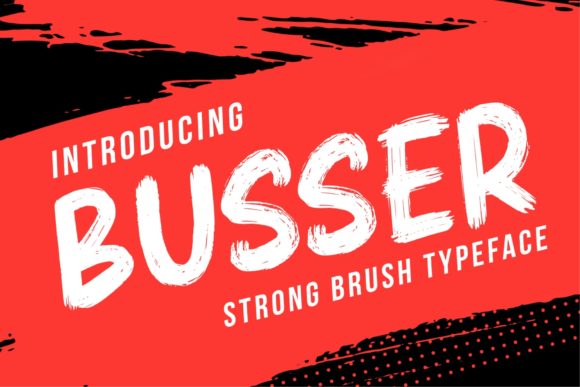
There is a distinct moment in the design process when you realize that clean, geometric sans-serifs just aren’t cutting it anymore. You need texture. You need attitude. You need something that feels like it was slapped onto a wall with a thick marker or stenciled onto a shipping crate in a hurry. This is exactly where Busser steps in. As a cool, brushed, and urban-styled display font, Busser bridges the gap between raw street aesthetics and professional typographic structure. It isn’t just about looking rough around the edges; it’s about conveying energy, movement, and authenticity in your visual communication.
Why Urban Aesthetics Matter in Modern Branding
We live in an era where consumers are increasingly skeptical of overly polished, corporate imagery. There is a growing appetite for brands that feel human, accessible, and grounded. This shift has propelled urban and industrial design styles into the mainstream. Fonts like Busser are essential tools in this transition because they carry an inherent sense of history and grit. When you use a brushed typeface, you are subtly signaling to your audience that your brand is hands-on, durable, and unpretentious.
The beauty of Busser lies in its versatility within this niche. It doesn’t scream "graffiti" so loudly that it becomes illegible or inappropriate for commercial use. Instead, it offers a controlled chaos. The brush strokes are deliberate, giving designers the ability to maintain readability while injecting a heavy dose of personality. This makes it an ideal choice for projects that need to stand out in a crowded visual landscape without sacrificing clarity.
Revitalizing Apparel and Sportswear Designs
If there is one industry that thrives on the energy of urban typography, it is fashion, specifically streetwear and sportswear. T-shirts, hoodies, and athletic jerseys are canvases that demand bold statements. A standard Helvetica might look clean on a tech startup’s website, but on a gym tank top or a skate shop tee, it can feel sterile and lifeless.
Using Busser for apparel design allows you to create graphics that feel integrated into the fabric of the culture. Imagine a limited-edition run of basketball jerseys. Using Busser for the player names or team slogans adds a dynamic, kinetic feel that mirrors the movement of the sport. The brushed edges suggest speed and intensity. For casual streetwear, the font works exceptionally well for large, central graphic prints. It pairs beautifully with distressed textures, halftone patterns, and vibrant color palettes. Designers often find that Busser reduces the need for excessive graphical elements because the typeface itself acts as the primary visual hook.
Practical Tips for Clothing Applications
- Contrast is key: Because Busser has textured edges, ensure high contrast between the font color and the garment color. White ink on black fabric often yields the crispest result for brushed fonts.
- Scale up: Display fonts lose their impact when shrunk down. Use Busser for headlines and main graphics, not for care instructions or small details.
- Layering: Experiment with layering Busser over photographic backgrounds or abstract shapes to create depth.
Creating Impactful Logos and Brand Identities
A logo needs to be memorable, and often, memorability comes from distinct character. For businesses in industries like craft brewing, barber shops, fitness gyms, or automotive repair, a polished serif font can send the wrong message. These industries value craftsmanship, strength, and tradition. Busser aligns perfectly with these values.
Consider a new craft coffee roastery located in a converted warehouse district. Their brand identity needs to reflect the industrial roots of the building and the artisanal nature of the product. A logo set in Busser immediately communicates a rustic, handcrafted vibe. It suggests that the coffee is roasted with care, not mass-produced in a sterile factory. Similarly, a CrossFit box or a boxing gym can use Busser to convey power and resilience. The thick strokes of the font imply stability and strength, which are psychological triggers that resonate with potential clients looking for serious training environments.
However, when using Busser for logos, simplicity is crucial. Since the font is detailed, avoid adding complex icons or emblems that compete for attention. Let the typography do the heavy lifting. Often, the wordmark alone, set in Busser, is strong enough to carry the brand identity.
Advertising and Promotional Materials
In advertising, you have seconds to capture attention. Whether it’s a social media ad, a poster, or a flyer, your headline needs to punch through the noise. Busser is engineered for this exact purpose. Its urban style cuts through the clutter of digital feeds and physical bulletin boards.
Think about a promotional campaign for a music festival or an underground art exhibit. The goal is to generate excitement and a sense of exclusivity. Using Busser for the event title creates an immediate association with contemporary culture and edginess. It feels current and relevant. In print advertisements, the font’s texture adds a tactile quality that flat digital fonts lack. It invites the viewer to look closer, engaging them with the materiality of the design.
For digital ads, keep in mind that screen resolution can sometimes soften the fine details of brushed fonts. To counter this, use bold weights if available, or increase the size of the text relative to other elements. Ensure that the background is clean enough to let the brush strokes define the letterforms clearly.
Navigating Limitations and Best Practices
While Busser is a powerful tool, it is not a universal solution. Understanding its limitations is just as important as knowing its strengths. As a display font, it is designed for short bursts of text. It is not suitable for body copy, long paragraphs, or any situation where extended reading is required. The irregular edges and varying stroke widths that give it character can cause eye fatigue if used in large blocks of text.
Another consideration is pairing. Busser demands a supportive partner. Because it is so dominant, it pairs best with simple, neutral sans-serif fonts for secondary information. Trying to pair it with another decorative or handwritten font can result in visual chaos. The goal is to let Busser shine as the star while the supporting text recedes into the background, providing structure and clarity.
Additionally, context matters. While Busser exudes coolness and urban flair, it may not be appropriate for formal, corporate, or luxury contexts that require elegance and refinement. A law firm or a high-end jewelry brand would likely find the gritty aesthetic of Busser mismatched with their brand values. Always align your font choice with the emotional tone you wish to convey.
Final Thoughts on Choosing Busser
Choosing the right typeface is one of the most critical decisions in design. It sets the tone before a single word is read. Busser offers a unique blend of urban sophistication and raw energy that is hard to replicate with standard system fonts. Whether you are designing the next big streetwear collection, crafting a logo for a local business, or creating eye-catching advertisements, Busser provides the visual weight and personality needed to make an impact.
By understanding where and how to apply this font, you can elevate your designs from functional to unforgettable. It is not just about making things look cool; it is about using typography to tell a story of authenticity, strength, and modern culture. Embrace the brush strokes, respect the urban roots, and let Busser bring your creative vision to life with the boldness it deserves.