Bellona: Mastering the Art of Vintage Handwritten Typography
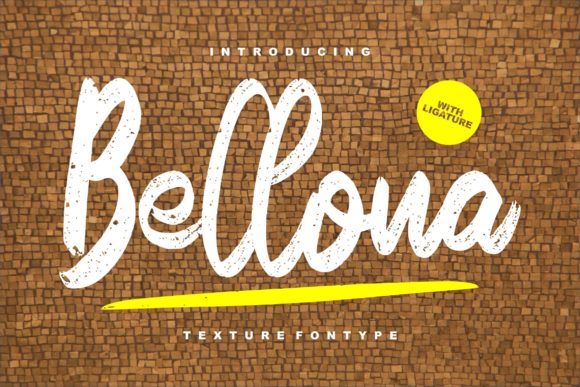
In the crowded landscape of digital design, finding a typeface that balances personality with professionalism can feel like searching for a needle in a haystack. Bellona emerges as a compelling solution for designers and creators who crave authenticity without sacrificing readability. As a cool, vintage-styled, paint-brushed handwritten font, it offers a distinct aesthetic that mimics the organic flow of ink on paper. However, its unique character comes with specific usage requirements. Many users rush to implement such expressive fonts without understanding the nuances of brush typography, leading to designs that feel cluttered or amateurish rather than elegant.
Understanding how to properly leverage Bellona requires more than just downloading the file. It demands an appreciation for spacing, hierarchy, and context. Whether you are crafting wedding invitations, designing a logo for a boutique brand, or creating heartfelt thank-you cards, the difference between a polished result and a messy one often lies in the details you might overlook. This guide explores common pitfalls when using painted script fonts and provides practical strategies to ensure your designs communicate the intended warmth and sophistication.
The Allure and Misconceptions of Brush Scripts
Bellona is not merely a font; it is a stylistic statement. Its paint-brushed texture suggests a human touch, evoking feelings of nostalgia and personal care. This makes it exceptionally popular for industries centered around connection and celebration, such as weddings, hospitality, and artisanal goods. Yet, a frequent misunderstanding among beginners is assuming that "handwritten" implies "casual." While Bellona is relaxed, it is also structured. Treating it like a quick scribble rather than a deliberate typographic element is the first step toward design failure.
Many creators make the mistake of using Bellona for body text or long paragraphs. This is a critical error. Brush fonts, by their nature, have varying stroke widths and intricate details that become illegible at small sizes. When readers struggle to decipher your message, the emotional impact of the design is lost. Instead of enhancing communication, the font becomes a barrier. The correct approach is to reserve Bellona for headlines, short quotes, logos, or accent words. Let it shine as the star of the show, supported by clean, simple sans-serif or serif fonts for the informational content.
Common Mistakes That Undermine Your Design
Even experienced designers can stumble when working with textured, handwritten typefaces. Here are the most prevalent issues that degrade the quality of projects using Bellona, along with corrective measures to elevate your work.
Ignoring Kerning and Letter Spacing
One of the most overlooked aspects of using a font like Bellona is kerning—the space between individual characters. Because Bellona mimics natural handwriting, the default spacing provided by software may not always look optimal. Letters might collide, creating ugly black spots where strokes overlap excessively, or they may sit too far apart, breaking the visual flow of the word.
The Fix: Always manually adjust kerning for headlines and logos. Zoom in closely on your design. Look for areas where letters touch awkwardly or where gaps seem disproportionately large. In design software, use the kerning tool to nudge letters closer or further apart until the rhythm of the word feels natural. For Bellona, maintaining a slight connection or close proximity between letters often enhances the handwritten illusion, but never let them merge into an unreadable blob.
Clashing Textures and Colors
Bellona features a paint-brushed texture, which means it has inherent visual noise. A common mistake is placing this textured font against a busy background or pairing it with other highly decorative elements. When everything competes for attention, the design lacks focus. Similarly, using low-contrast color combinations, such as light gray text on a white background, can cause the delicate brush edges to disappear entirely.
The Fix: Embrace negative space. Allow Bellona to breathe by placing it on clean, solid backgrounds or subtle gradients that do not interfere with the letterforms. If you must use a patterned background, ensure there is a solid shape or overlay behind the text to maintain legibility. Regarding color, high contrast is key. Deep charcoal, navy, or forest green often looks more sophisticated and readable than pure black, while still providing the necessary contrast against light backgrounds.
Overusing the Font
Enthusiasm for a beautiful font can lead to overuse. Some designers apply Bellona to every element of a layout, from the main header to the footer and even the bullet points. This dilutes the font’s impact and creates visual fatigue. When everything is special, nothing is.
The Fix: Practice restraint. Use Bellona sparingly to highlight the most important information. For a wedding invitation, use it for the couple’s names and perhaps the date. Use a complementary, neutral font for the venue details, RSVP information, and directions. This hierarchy guides the viewer’s eye and ensures that the personalized style of Bellona feels intentional and luxurious rather than chaotic.
Practical Applications for Bellona
To get the most out of this typeface, consider where its vintage, personalized vibe adds genuine value. Bellona excels in contexts where emotion and aesthetics are prioritized over dense information delivery.
- Wedding Invitations and Stationery: The romantic, handcrafted feel of Bellona makes it ideal for save-the-dates, ceremony programs, and place cards. It sets a tone of elegance and intimacy.
- Branding and Logos: For businesses in the beauty, wellness, bakery, or floral industries, Bellona can serve as a memorable logotype. It conveys approachability and artisanal quality.
- Greeting Cards and Thank You Notes: In digital or print greetings, the font adds a personal touch that standard typed fonts lack. It feels as though the sender took the time to write the message by hand.
- Social Media Graphics: Use Bellona for quote overlays or promotional headers on Instagram or Pinterest. Its visual appeal stops the scroll, but keep the text brief to ensure readability on small screens.
Evaluating Quality Before You Commit
Before integrating Bellona into a client project or personal brand, take a moment to evaluate its technical performance. Not all handwritten fonts are created equal. Check the font file for a complete character set, including punctuation, numbers, and alternate glyphs. A high-quality font like Bellona should offer versatility, allowing you to swap out repeated letters for variations to maintain a natural handwritten look.
Additionally, test the font across different mediums. How does it render on screen versus in print? Brush textures can sometimes appear pixelated if the resolution is too low. Ensure you are working with high-resolution files and vector formats when possible to preserve the crispness of the brush edges. If you are using it for web design, check the loading speed and legibility on mobile devices. A font that looks stunning on a desktop monitor might become illegible on a smartphone if the size is not adjusted appropriately.
Ultimately, Bellona is a powerful tool in your design arsenal, but only if used with intention. By avoiding common pitfalls like poor kerning, low contrast, and overuse, you can harness its vintage charm to create designs that resonate emotionally with your audience. Remember, the goal of typography is not just to be seen, but to be understood and felt. With careful application, Bellona can help you achieve both.