Unlocking the Charm of Girly Chaca: A Practical Guide for Designers and Creators
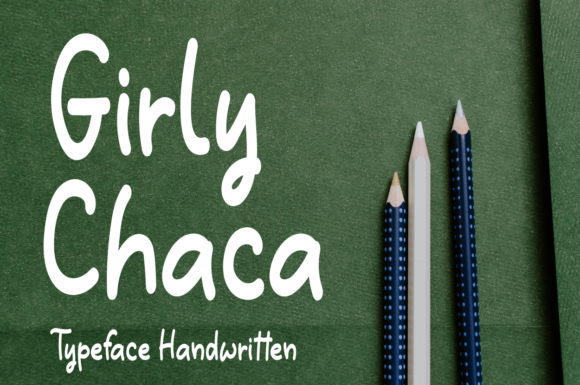
In the vast landscape of digital typography, finding a font that strikes the perfect balance between personality and professionalism can feel like searching for a needle in a haystack. Enter Girly Chaca, a sweet and fun paint-brushed handwritten typeface that has quietly become a favorite among creators who value authenticity. Unlike rigid serif or sans-serif options, this font brings an organic, human touch to digital designs. However, its casual nature often leads to misuse. Many designers rush to apply it without considering legibility, hierarchy, or context, resulting in projects that look cluttered rather than charming.
Understanding how to wield Girly Chaca effectively requires more than just downloading the file. It demands an appreciation for whitespace, contrast, and audience expectation. Whether you are designing wedding invitations, branding a boutique bakery, or creating social media graphics, the way you implement this typeface will dictate the success of your visual communication. Let’s explore common pitfalls and provide actionable advice to ensure your designs remain polished and impactful.
The Misconception of "Casual" Meaning "Careless"
One of the most frequent errors creators make when using handwritten fonts like Girly Chaca is assuming that their informal style excuses poor layout decisions. Because the font looks like it was written with a brush, there is a temptation to treat it as a doodle rather than a structured typographic element. This mindset often leads to cramped letter spacing, insufficient contrast against busy backgrounds, and inconsistent sizing.
When you ignore these foundational design principles, the result is often a piece that feels amateurish. For instance, placing Girly Chaca over a complex photographic background without a solid overlay or shadow can render the text unreadable. The delicate brush strokes get lost in the noise, frustrating the viewer. To avoid this, always prioritize legibility. Use high-contrast color pairings, such as deep charcoal on cream or navy on white, to let the unique curves of the letters breathe. If you must place text over an image, use a semi-transparent shape behind the text to create a clear separation between the content and the background.
Overusing Decorative Fonts in Body Copy
A critical mistake that affects both usability and reader satisfaction is using Girly Chaca for long paragraphs of body text. While the font is delightful for titles, headers, and short quotes, its irregular baseline and varying stroke widths make it exhausting to read in large blocks. Readers scan content quickly; if they have to struggle to decipher each letter, they will likely abandon the page entirely.
The better approach is to reserve Girly Chaca for emphasis. Use it for headlines, pull quotes, or call-to-action buttons where you want to inject warmth and personality. Pair it with a clean, neutral sans-serif font for the main body copy. This combination creates a visual hierarchy that guides the eye naturally. For example, if you are designing a menu for a café, use Girly Chaca for the section headers like "Pastries" or "Specialty Drinks," but switch to a simple geometric sans-serif for the descriptions and prices. This ensures the brand feels inviting while remaining functional.
Ignoring Context and Audience Expectations
Not every project benefits from a playful, handwritten aesthetic. A common oversight is applying Girly Chaca to industries or contexts that require strict authority or neutrality, such as legal documents, financial reports, or corporate tech branding. Using a whimsical font in these scenarios can undermine credibility and confuse the audience about the seriousness of the message.
Before selecting this typeface, ask yourself: Does the tone match the intent? Girly Chaca shines in contexts related to lifestyle, beauty, education, crafts, and personal branding. It appeals to audiences looking for approachability and creativity. If you are a freelance illustrator or a small business owner selling handmade goods, this font aligns perfectly with your brand identity. However, if you are drafting a formal proposal for a government contract, opt for a traditional serif font instead. Understanding the psychological impact of typography helps you avoid mixed messages and ensures your design supports your goals.
Neglecting Technical Details and Licensing
Beyond aesthetics, practical considerations often trip up beginners. Many users download fonts from unofficial sources, risking malware infections or incomplete character sets. Additionally, failing to check the licensing agreement can lead to legal issues, especially for commercial projects. Girly Chaca may have specific terms regarding web use, print distribution, or modification. Ignoring these details can result in unexpected costs or cease-and-desist letters down the line.
To protect your work and your business, always download fonts from reputable marketplaces or the creator’s official website. Verify that the license covers your intended use—whether it’s for a client logo, a printed book, or a website header. If you are unsure, contact the font designer directly. Investing time in proper acquisition ensures you have access to all glyphs, including alternate characters and punctuation marks, which are essential for creating versatile and professional-looking designs.
Best Practices for Implementing Girly Chaca
To maximize the potential of this typeface, consider these constructive strategies:
- Adjust Tracking Carefully: Handwritten fonts often have unique kerning pairs. Manually adjust the spacing between letters if certain combinations look too tight or too loose. This small tweak can significantly improve readability.
- Limit Color Palettes: Since Girly Chaca is visually busy, keep the surrounding design elements minimal. Use one or two accent colors to highlight key words without overwhelming the viewer.
- Test Across Devices: If using the font on a website, ensure it renders correctly on mobile screens. Small sizes may blur the brush details, so increase the font size or switch to a simpler alternative for mobile views.
- Use Alternates: Check if the font includes alternate characters for common letters like 'a', 'e', or 's'. Swapping these in can prevent repetition and make the text look more natural and hand-written.
Making the Right Choice for Your Project
Ultimately, Girly Chaca is a tool that, when used with intention, can elevate your creative projects. It offers a distinctive voice that stands out in a sea of generic typography. By avoiding common mistakes such as poor contrast, inappropriate usage in body copy, and neglecting licensing, you can harness its charm effectively. Remember that good design is not just about choosing a pretty font; it is about solving communication problems with clarity and style.
Take the time to experiment with layout, pairing, and spacing. Create mockups and seek feedback from peers. Notice how the font behaves in different contexts and adjust accordingly. With a mindful approach, Girly Chaca can become a staple in your design toolkit, helping you create work that is not only visually appealing but also functionally sound. Whether you are crafting a letterhead, designing stationery, or building a brand identity, let this font add that perfect touch of handwritten warmth to your digital and print creations.