Lemonhead: Elevating Design with Casual Handwritten Charm
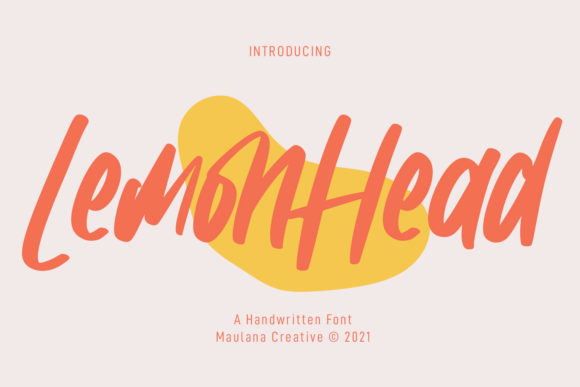
In the ever-evolving landscape of digital and print design, typography serves as more than just a vehicle for text; it is the voice of your brand. Among the myriad of typefaces available today, Lemonhead stands out as a distinctive choice for creators seeking authenticity. As a casual and paint-brushed handwritten font, it bridges the gap between professional polish and human touch. This unique aesthetic allows designers, entrepreneurs, and hobbyists to infuse their projects with warmth and personality, making it an essential tool in modern creative workflows.
The demand for fonts that feel organic rather than mechanical has surged in recent years. Consumers are increasingly drawn to brands that appear approachable and genuine. Lemonhead answers this call by offering a texture that mimics the natural irregularities of hand-painted lettering. Whether you are designing a wedding invitation, crafting a product label, or developing a social media campaign, this typeface provides the visual interest needed to capture attention without overwhelming the viewer.
The Rise of Authenticity in Modern Branding
Over the past decade, we have witnessed a significant shift in consumer preferences. The sleek, minimalist, and often cold aesthetics that dominated the early 2010s are giving way to designs that prioritize connection and storytelling. People want to feel a relationship with the products they buy and the content they consume. This trend is not merely a fleeting fashion but a reflection of broader cultural values that prize transparency and humanity.
In this context, handwritten fonts like Lemonhead have become invaluable assets. They break the monotony of standard sans-serif and serif typefaces, introducing a element of surprise and delight. For small business owners and freelancers, using a font that looks hand-crafted can signal care and attention to detail. It suggests that there is a person behind the logo, not just a corporation. This perception can be a powerful differentiator in crowded markets, from artisanal coffee shops to independent boutiques.
Moreover, the versatility of Lemonhead allows it to fit seamlessly into various branding strategies. It is not limited to rustic or vintage themes; its clean yet textured strokes can complement modern, contemporary designs as well. By adding it confidently to your favorite creations, you allow the font to serve as a bridge between traditional craftsmanship and modern digital presentation.
Practical Applications for Creators and Entrepreneurs
Understanding the theoretical appeal of a font is one thing, but knowing how to apply it effectively is another. Lemonhead is designed to elevate a wide range of crafting ideas, from cards to branding, labels, and much more. Its legibility ensures that it remains functional even while being decorative, a balance that many handwritten fonts struggle to achieve.
Packaging and Product Labels
For product-based businesses, packaging is the first physical interaction a customer has with your brand. A label featuring Lemonhead can transform a simple jar of honey or a bottle of skincare serum into a premium, gift-worthy item. The paint-brushed effect adds tactile visual interest, suggesting that the product inside is equally crafted with care. When used on labels, it is important to maintain sufficient contrast against the background to ensure readability. Pairing it with a clean, simple sans-serif for ingredient lists or secondary information creates a harmonious hierarchy that guides the eye naturally.
Greeting Cards and Stationery
The market for personalized stationery continues to thrive, driven by the desire for meaningful connections in a digital world. Lemonhead is ideally suited for greeting cards, wedding invitations, and thank-you notes. Its casual nature conveys warmth and sincerity, making the recipient feel valued. Designers can experiment with sizing and spacing to create dynamic compositions. For instance, using the font for the main message while keeping the details in a subtle, smaller typeface can create a striking visual impact. The outcome generated by such combinations often feels both elegant and inviting.
Digital Content and Social Media
In the realm of digital marketing, standing out in a feed requires more than just high-quality images; it requires compelling typography. Lemonhead works exceptionally well for quote graphics, Instagram stories, and blog headers. Its informal style aligns with the conversational tone of social media, making posts feel less like advertisements and more like personal recommendations. However, users should be mindful of screen resolution and size. Ensuring that the brush strokes remain distinct and do not blur on smaller devices is crucial for maintaining professionalism.
Integrating Lemonhead into Your Creative Workflow
Adopting a new typeface into your regular workflow requires a bit of experimentation. To get the most out of Lemonhead, consider the following practical recommendations:
- Pairing Wisely: Handwritten fonts shine when paired with neutral counterparts. Combine Lemonhead with a geometric sans-serif or a classic serif to create balance. Avoid pairing it with other decorative fonts, as this can lead to visual clutter.
- Color Selection: The paint-brushed texture of Lemonhead interacts interestingly with color. Dark charcoal or navy blue can provide a sophisticated look, while vibrant hues like coral or teal can enhance its playful side. Test different combinations to see what best suits your project’s mood.
- Whitespace Management: Handwritten fonts often require more breathing room than standard typefaces. Increase line height and letter spacing slightly to prevent the characters from feeling cramped. This enhances readability and allows the unique shapes of the letters to be appreciated.
- Contextual Appropriateness: While versatile, Lemonhead is best suited for headlines, short phrases, and emphasis. Using it for long paragraphs of body text can strain the reader’s eyes. Reserve it for moments where you want to draw attention or evoke emotion.
By following these guidelines, you can ensure that your use of Lemonhead remains effective and aesthetically pleasing. The goal is to let the font enhance your message, not distract from it.
The Evolution of Handwritten Typography
The journey of handwritten fonts from novelty items to professional design staples reflects changes in technology and user expectations. Early digital attempts at handwriting often looked stiff and unnatural. Advances in font creation software and scanning technology have allowed designers to capture the nuances of real brush strokes. Lemonhead represents this evolution, offering a high level of detail that mimics the pressure and flow of a actual paintbrush.
This technological progress has democratized access to high-quality typography. Independent creators no longer need to hire custom letterers for every project; they can achieve similar results with well-crafted fonts. This shift has empowered a new generation of designers to produce work that feels bespoke and unique. It also raises the bar for quality, as audiences become more discerning about the authenticity of the designs they encounter.
As we look forward, the integration of such fonts into augmented reality and interactive media may open new avenues for expression. Imagine Lemonhead animating on a screen, revealing the stroke order in real-time, or adapting to user input in dynamic web environments. While these possibilities are still emerging, they highlight the enduring relevance of human-centric design elements in a increasingly automated world.
Final Thoughts on Creative Confidence
Choosing the right typography is an act of confidence. It signals to your audience who you are and what you value. Lemonhead offers a way to express creativity without sacrificing clarity. Its casual, paint-brushed style invites viewers in, creating a sense of familiarity and trust. Whether you are a seasoned designer or a hobbyist exploring new crafts, this font provides the tools needed to make your work stand out.
Let yourself be amazed by the outcome generated when you integrate Lemonhead into your projects. From the subtle elegance of a business card to the bold statement of a storefront sign, its potential is vast. By understanding its strengths and applying it thoughtfully, you can elevate your designs and connect more deeply with your audience. In a world filled with generic templates, choosing a font with character is a step toward creating something truly memorable.
Ultimately, the power of Lemonhead lies in its ability to humanize design. It reminds us that behind every brand, every product, and every message, there is a human story worth telling. Embrace this tool, experiment with its possibilities, and watch as your creative visions come to life with renewed vitality and charm.