Breathing Life into Design with the Desick Typeface
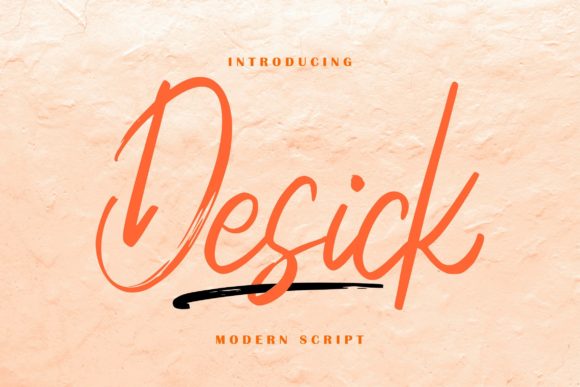
In the vast ecosystem of digital typography, finding a font that strikes the perfect balance between personality and legibility is often akin to searching for a needle in a haystack. Designers are constantly on the hunt for typefaces that do more than just convey information; they seek fonts that evoke emotion, set a tone, and create an immediate visual connection with the audience. This is where Desick enters the conversation. As a delicate, brushed, and flowing handwritten font, it offers a unique aesthetic that bridges the gap between raw artistic expression and polished professional design.
The appeal of handwritten typography has surged in recent years, driven by a cultural shift toward authenticity and human-centric branding. In an era dominated by clean, geometric sans-serifs and rigid corporate identities, there is a growing hunger for warmth and imperfection. Desick answers this call with its beautifully balanced characters, providing designers with a tool that feels both organic and refined. It is not merely a collection of letters; it is a design element that can transform static layouts into dynamic visual experiences.
The Aesthetic Anatomy of Desick
To understand why Desick resonates with so many creatives, one must look closely at its structural nuances. The font is defined by its brushed texture, which mimics the natural variation of ink hitting paper. Unlike digital fonts that strive for uniformity, Desick embraces the subtle irregularities of hand-lettering. Each stroke carries a sense of movement, suggesting the speed and pressure of the writer’s hand. This "brushed" quality adds depth and tactile realism to digital screens, making designs feel less sterile and more approachable.
Furthermore, the flow of the characters is meticulously crafted. While many handwritten fonts suffer from awkward kerning or inconsistent baseline alignment, Desick maintains a harmonious rhythm. The connections between letters are smooth, ensuring that words read naturally without forcing the eye to stumble over disjointed glyphs. This balance is crucial. It allows the font to remain decorative without sacrificing readability, a common pitfall in the world of script typefaces. Whether used in short headlines or longer subheaders, the typography remains clear and inviting.
Versatility Across Design Disciplines
One of the most compelling arguments for adopting Desick is its remarkable versatility. Because it sits comfortably between casual scribbles and elegant calligraphy, it matches a wide pool of design projects. It does not pigeonhole itself into a single niche, allowing it to adapt to various industries and creative briefs.
In the realm of branding and identity, Desick is an excellent choice for businesses that want to project friendliness and accessibility. Consider boutique coffee shops, artisanal bakeries, or handmade jewelry stores. These brands rely on the perception of craft and care. Using a font like Desick in their logos or packaging signals to the customer that there is a human touch behind the product. It softens the brand image, making it feel less like a corporation and more like a community member.
Similarly, in wedding and event stationery, the demand for elegant yet modern typography is endless. Desick’s delicate strokes provide the sophistication required for formal invitations while retaining a contemporary flair that appeals to younger couples. It pairs exceptionally well with minimalist serif fonts, creating a contrast that highlights the beauty of both typefaces. The result is an invitation suite that feels curated and personal, rather than templated.
Integrating Desick into Modern Workflows
For graphic designers and content creators, the practical application of a new font is just as important as its aesthetic appeal. How does Desick fit into the daily workflow? The answer lies in its ability to serve as a focal point. In any design composition, hierarchy is key. Desick works best when used sparingly to draw attention to specific elements. It is not designed for body text; rather, it shines in headlines, pull quotes, social media graphics, and hero sections of websites.
When incorporating Desick into a project, consider the following practical recommendations:
- Pairing Strategy: Since Desick is expressive and detailed, pair it with simple, neutral typefaces. A clean sans-serif or a classic serif provides a stable foundation that allows the handwritten font to stand out without creating visual clutter.
- Color Contrast: The brushed texture of Desick can sometimes get lost against busy backgrounds. Ensure high contrast between the font color and the background. Dark charcoal on white, or deep navy on cream, often yields the best results, highlighting the intricate details of the brush strokes.
- Spacing and Breathing Room: Handwritten fonts need space to breathe. Avoid cramming Desick into tight corners. Give it ample padding and margin space to let the flowing characters extend naturally. This enhances the feeling of elegance and prevents the design from feeling cramped.
Moreover, Desick is particularly effective in digital marketing assets. Social media platforms like Instagram and Pinterest thrive on visually striking, emotive content. A quote overlay using Desick can significantly increase engagement rates because it stops the scroll. The human element of the handwriting creates an instant emotional hook, encouraging users to pause and read. For influencers and lifestyle bloggers, this font can become a signature part of their visual identity, creating consistency across posts and stories.
Enhancing Creative Ideas
The prompt suggests adding Desick to your most creative ideas to notice how it makes them come alive. This is not hyperbole; it is a testament to the psychological impact of typography. Text is not just information; it is voice. When you switch from a standard Arial or Helvetica to a flowing script like Desick, you change the voice of your design from authoritative and distant to intimate and conversational.
Imagine a website landing page for a wellness coach. Using a rigid, industrial font might convey strength, but it could also feel cold. Switching the main headline to Desick immediately introduces a sense of calm, care, and personal attention. It aligns the visual language with the service being offered. The design "comes alive" because the typography now supports the narrative rather than just displaying it.
This principle applies to product packaging as well. A skincare line using Desick on its labels suggests natural ingredients and gentle formulations. The visual cue of the brush stroke subconsciously communicates "handcrafted" and "organic," even before the consumer reads the ingredient list. This is the power of semantic typography—using the shape and style of letters to reinforce the meaning of the words.
Considerations for Effective Use
While Desick is a powerful tool, it requires thoughtful application. Overuse can dilute its impact. If every element on a page is written in a decorative handwritten font, the design loses its hierarchy and becomes difficult to navigate. Reserve Desick for moments that require emphasis or emotional resonance. Use it for the "wow" factor, not the functional groundwork.
Additionally, consider the context of your audience. While Desick is widely appealing, certain highly technical or corporate sectors may still prefer traditional, conservative typography. However, even in these fields, there is room for humanization. Using Desick in internal communications, team building materials, or casual blog posts can help break down barriers and foster a more relaxed company culture.
It is also worth noting the technical aspects of web implementation. When using Desick on websites, ensure that the font file is optimized for fast loading. Large, complex font files can slow down page speed, which negatively impacts SEO and user experience. Subset the font if possible, including only the characters you need, to keep performance high while maintaining the visual integrity of the design.
Conclusion: A Tool for Authentic Expression
In conclusion, Desick represents more than just a trend in handwritten typography. It is a versatile, well-balanced resource for designers who value authenticity and emotional connection. Its delicate, brushed characteristics offer a refreshing alternative to the ubiquity of geometric sans-serifs, allowing brands and creators to inject warmth and personality into their work.
By understanding its strengths—its flow, its texture, and its readability—designers can leverage Desick to elevate their projects. Whether it is enhancing a wedding invitation, defining a boutique brand identity, or creating engaging social media content, Desick provides the artistic flair needed to make designs resonate. As you explore your next creative endeavor, consider how this font can transform your message. Add it to your toolkit, experiment with its possibilities, and watch as your ideas gain a new level of vitality and connection. The right font does not just display words; it gives them a soul, and Desick does exactly that.