Blue Sea Font: Evaluating a Paint-Brushed Display Type for Creative Projects
Choosing the right typography is often the most critical design decision in any visual project. It sets the tone, communicates the brand personality, and influences how the audience perceives the message. For designers working on projects that require a sense of whimsy, approachability, or artistic flair, display fonts play a pivotal role. Among the many options available today, Blue Sea has emerged as a notable contender. Described as a cool and paint-brushed display font, it offers a distinct aesthetic that bridges the gap between casual handwriting and structured lettering.
This article explores the characteristics of Blue Sea, evaluates its suitability for various design contexts, and compares it against other typographic approaches to help you determine if it is the right fit for your next creation.
Understanding the Aesthetic of Blue Sea
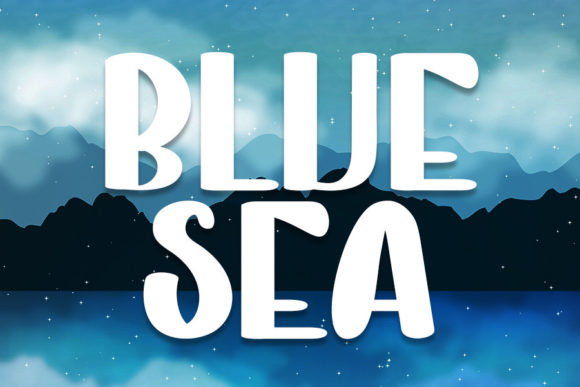
At its core, Blue Sea is defined by its organic, hand-painted appearance. Unlike geometric sans-serifs or rigid serif fonts, this typeface mimics the texture and flow of a brush moving across paper. The strokes are not perfectly uniform; they possess slight variations in thickness and edge quality that replicate the natural imperfections of manual calligraphy. This "cool" factor refers not just to temperature, but to a relaxed, effortless vibe that feels modern yet nostalgic.
The font’s structure is open and airy, which contributes to its readability despite its decorative nature. It avoids the excessive flourishes found in some script fonts, making it more versatile for headlines and short body text. The paint-brushed effect adds depth, giving digital designs a tactile, human touch that can soften the often sterile feel of screen-based media.
Key Visual Characteristics
- Texture: Simulates dry brush or wet paint effects, adding visual interest without overwhelming the layout.
- Weight: Typically medium to bold, ensuring visibility in headings and titles.
- Personality: Friendly, playful, and inviting, with a slight informal edge.
- Versatility: Works well in both uppercase and lowercase, though its impact is often strongest in title case or all-caps configurations.
Best-Fit Use Cases for Blue Sea
Not every font suits every project. The strength of Blue Sea lies in its ability to convey specific emotions: joy, creativity, and innocence. Understanding where this font shines helps designers avoid mismatched typographic choices.
Children’s Games and Educational Materials
One of the primary applications for Blue Sea is in the realm of children’s entertainment. Whether designing interface elements for a mobile game, packaging for educational toys, or illustrations for storybooks, the font’s playful nature resonates with younger audiences. It feels safe and fun, avoiding the aggression of sharp, angular fonts or the seriousness of traditional corporate typefaces. For example, a level selection screen in a cartoon-style adventure game benefits from the approachable look of Blue Sea, making the interface feel less like a menu and more like part of the story.
Cartoon and Animation Branding
Animation studios and independent creators often need typography that complements character designs. If the visual style is soft, rounded, or hand-drawn, a rigid font can create cognitive dissonance. Blue Sea aligns seamlessly with cartoon aesthetics. It can be used for title cards, promotional posters, or merchandise. Its painted texture mirrors the hand-crafted effort involved in animation, creating a cohesive brand identity.
Lifestyle and Creative Brands
Beyond children’s media, Blue Sea is suitable for adult-oriented brands that want to project a laid-back, creative image. Think of artisanal coffee shops, yoga studios, or handmade craft businesses. In these contexts, the font suggests authenticity and personal care. It works particularly well for logos, social media graphics, and packaging labels where a "human" touch is a selling point.
Comparing Blue Sea to Alternative Typographic Styles
To make an informed decision, it is helpful to compare Blue Sea with other common font categories. Each style serves different communicative goals.
Blue Sea vs. Clean Sans-Serif Fonts
Clean sans-serif fonts like Helvetica or Roboto are the workhorses of modern design. They are neutral, highly legible, and professional. However, they can sometimes feel cold or generic. Blue Sea offers warmth and personality that sans-serifs lack. If your goal is clarity and neutrality, stick with a sans-serif. But if you need to evoke emotion or stand out in a crowded visual landscape, Blue Sea provides a distinctive voice. The tradeoff is readability at small sizes; while sans-serifs scale down well, display fonts like Blue Sea are best reserved for larger text.
Blue Sea vs. Formal Script Fonts
Formal scripts often convey elegance, luxury, or tradition. They feature connected letters and intricate loops. Blue Sea, by contrast, is disconnected and casual. It does not try to mimic formal calligraphy. This makes it more readable and less pretentious. For a wedding invitation, a formal script might be appropriate. For a summer beach party flyer or a kids’ app, Blue Sea is a far better choice because it feels accessible rather than exclusive.
Blue Sea vs. Other Handwritten Fonts
The market is saturated with handwritten fonts. Some are messy and chaotic, while others are too perfect and digital-looking. Blue Sea strikes a balance. It retains the irregularity of hand-lettering but maintains enough structure to remain legible. Compared to overly distressed grunge fonts, Blue Sea is cleaner and more polished. Compared to neat marker-style fonts, it has more artistic texture. This middle ground makes it a versatile option for designers who want a handmade feel without sacrificing professionalism.
Limitations and Considerations
While Blue Sea is a strong choice for specific applications, it is not a universal solution. Recognizing its limitations is crucial for effective design.
- Readability at Small Sizes: As a display font, Blue Sea loses detail when scaled down. It is not suitable for long paragraphs of body text, footnotes, or legal disclaimers. Use it for headlines, quotes, or short labels only.
- Tone Mismatch: The playful, casual nature of Blue Sea makes it inappropriate for serious, corporate, or somber topics. Using it for a financial report, a medical journal, or a funeral service would undermine the gravity of the content.
- Pairing Challenges: Because Blue Sea has a strong personality, it requires careful pairing. It works best with simple, neutral sans-serifs for supporting text. Pairing it with another decorative font can create visual clutter and confusion.
Making the Final Decision
When evaluating whether to use Blue Sea, consider the emotional response you want to elicit from your audience. Ask yourself: Does this project need to feel friendly and approachable? Is the target audience young or creative? Does the design benefit from a textured, artistic element?
If the answer is yes, Blue Sea is likely an excellent choice. It offers a unique blend of coolness and warmth that can elevate a design from ordinary to engaging. However, if your project requires strict neutrality, high-density information delivery, or formal authority, you should explore more traditional typeface options.
Ultimately, typography is a tool for communication. Blue Sea communicates joy, creativity, and ease. By understanding its strengths and respecting its limitations, you can leverage this paint-brushed display font to create designs that resonate deeply with your intended audience. Whether you are building a children’s game interface or branding a lifestyle product, the right font choice can make all the difference in how your message is received.