Black Thunder Font: A Practical Guide to Its Style, Use Cases, and Design Fit
In the vast landscape of digital typography, finding a typeface that balances personality with readability can be a challenge. Black Thunder emerges as a distinct option in this space, offering a cool, trendy, and brushed aesthetic that appeals to modern designers. Whether you are working on crafts, digital design projects, professional presentations, or personalized greeting cards, understanding the specific characteristics of this font is essential for making an informed decision. This article explores what makes Black Thunder unique, how it compares to other stylistic categories, and when it serves as the optimal choice for your creative needs.
Understanding the Aesthetic of Black Thunder
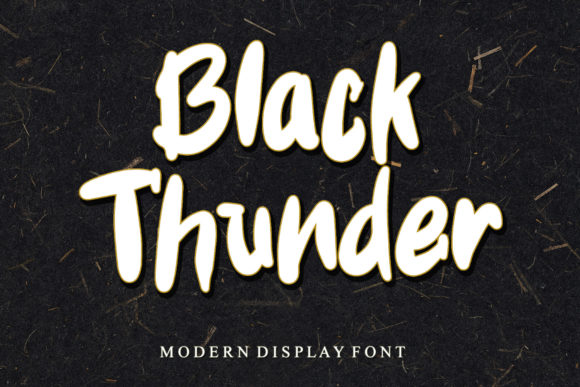
At its core, Black Thunder is defined by its brushed display style. Unlike traditional serif or sans-serif fonts that rely on uniform stroke widths and geometric precision, Black Thunder mimics the organic movement of a paintbrush or marker. This gives the text a hand-crafted feel, adding a layer of authenticity and human touch to digital compositions. The "cool" and "trendy" descriptors often associated with this font stem from its ability to evoke a sense of contemporary casualness without sacrificing visual impact.
The distinctiveness of Black Thunder lies in its texture. The brush strokes are not perfectly smooth; they retain slight irregularities that suggest speed and energy. This makes it particularly effective for headlines, logos, and short bursts of text where the goal is to capture attention immediately. However, this same characteristic means it is not designed for long-form body text. Recognizing this limitation is crucial for effective design. When used appropriately, Black Thunder becomes a versatile tool that can elevate a project from generic to memorable.
Comparing Brushed Display Fonts with Traditional Alternatives
To evaluate whether Black Thunder is the right resource for your project, it is helpful to compare it against other common typographic categories. Designers often choose between scripted fonts, clean sans-serifs, and bold slab serifs. Here is how Black Thunder stacks up against these alternatives:
- Versus Clean Sans-Serifs: Standard sans-serif fonts like Helvetica or Arial prioritize neutrality and maximum readability. They are ideal for corporate reports or user interfaces where clarity is paramount. Black Thunder, by contrast, prioritizes mood and style. It is less about invisible communication and more about making a statement. If your project requires a neutral tone, a sans-serif is better. If it requires personality, Black Thunder is the stronger candidate.
- Versus Formal Scripts: Traditional script fonts often emulate cursive handwriting with connected letters and elegant flourishes. These are typically reserved for formal invitations or luxury branding. Black Thunder offers a more rugged, energetic alternative. It is less about elegance and more about dynamism. For a modern, youthful vibe, Black Thunder outperforms formal scripts.
- Versus Other Brush Fonts: The market is saturated with brush-style fonts. Some are overly distressed, making them hard to read, while others are too uniform, losing the hand-made appeal. Black Thunder strikes a balance. It retains enough structure to remain legible at various sizes while keeping the organic texture that defines the genre.
Best-Fit Situations and Practical Applications
Identifying the right context for using Black Thunder is key to leveraging its strengths. Because it is a display font, it shines in applications where text is large and impactful. Below are several scenarios where this font excels:
Digital Design and Social Media
In the fast-paced world of social media, visuals must stop the scroll. Black Thunder’s bold, textured appearance works well for Instagram stories, YouTube thumbnails, and Pinterest graphics. Its trendy aesthetic aligns with current design trends that favor authenticity over polish. When paired with high-contrast images or minimal backgrounds, the font ensures the message stands out without competing with complex visual elements.
Crafts and Physical Products
For those involved in physical crafts, such as creating custom t-shirts, mugs, or posters, Black Thunder offers a significant advantage. The brushed effect translates well to printing processes like screen printing or vinyl cutting. It adds a handmade quality to merchandise, which is highly valued in artisanal markets. Unlike rigid digital fonts, Black Thunder feels approachable and personal, enhancing the perceived value of handmade goods.
Presentations and Pitch Decks
While corporate presentations often rely on safe, standard typography, creative industries benefit from a more engaging approach. Using Black Thunder for section headers or key quotes in a pitch deck can break the monotony of slide after slide of bullet points. It signals creativity and confidence. However, it should be used sparingly—reserved for titles and emphasis—to maintain professionalism while adding flair.
Greeting Cards and Personal Correspondence
The emotional tone of Black Thunder is warm and energetic. This makes it an excellent choice for greeting cards, especially for occasions like birthdays, graduations, or casual celebrations. It conveys enthusiasm and friendliness. For formal events like weddings or solemn occasions, a more traditional serif or script might be more appropriate, but for everyday joy, Black Thunder fits the bill perfectly.
Limitations and Tradeoffs to Consider
No font is universally perfect, and Black Thunder is no exception. Understanding its limitations helps prevent design missteps. The primary tradeoff is readability at small sizes. The intricate brush strokes that give the font its character can become muddy or indistinct when scaled down. Therefore, it should never be used for body text, footnotes, or dense paragraphs. Attempting to do so will frustrate readers and diminish the overall quality of the design.
Another consideration is pairing. Because Black Thunder is so visually dominant, it requires careful pairing with secondary fonts. Using it alongside another decorative or handwritten font can create visual chaos. Instead, it pairs best with simple, clean sans-serifs that provide a stable foundation. This contrast allows Black Thunder to shine as the star of the show while ensuring the rest of the content remains easy to digest.
Additionally, designers must consider brand alignment. If a brand identity is built on tradition, stability, or strict corporate professionalism, Black Thunder may clash with those values. It is inherently casual and modern. Using it in a conservative legal or financial context could undermine credibility. Always evaluate whether the font’s personality aligns with the message you intend to convey.
Making the Decision: Is Black Thunder Right for You?
Choosing a font is ultimately about fit. To determine if Black Thunder is the right resource for your current project, ask yourself the following questions:
- What is the primary goal of the text? If the goal is to grab attention and evoke emotion, Black Thunder is a strong contender. If the goal is purely informational density, look elsewhere.
- Who is the audience? Younger demographics and creative communities tend to respond positively to trendy, brushed aesthetics. Older or more conservative audiences may prefer traditional typography.
- Where will it be displayed? Large formats like posters, screens, and packaging are ideal. Small print materials like business cards or contracts are not.
- What is the surrounding design? Ensure you have simple, complementary elements to balance the font’s visual weight.
By weighing these factors, you can move beyond subjective preference and make a strategic design choice. Black Thunder is not just a font; it is a design tool that, when used correctly, can significantly enhance the impact of your work. It offers a blend of modern trendiness and organic warmth that is difficult to find in more rigid typefaces. For designers seeking a go-to option for creative, high-impact projects, it warrants serious consideration.
In conclusion, while there are countless fonts available, few offer the specific combination of energy and versatility found in Black Thunder. It is not a substitute for every typographic need, but for the right applications, it is an invaluable asset. By understanding its strengths, respecting its limitations, and comparing it thoughtfully against alternatives, you can integrate this font into your workflow with confidence. Whether you are designing a digital ad, crafting a gift, or preparing a presentation, Black Thunder provides the stylistic edge needed to make your message resonate.