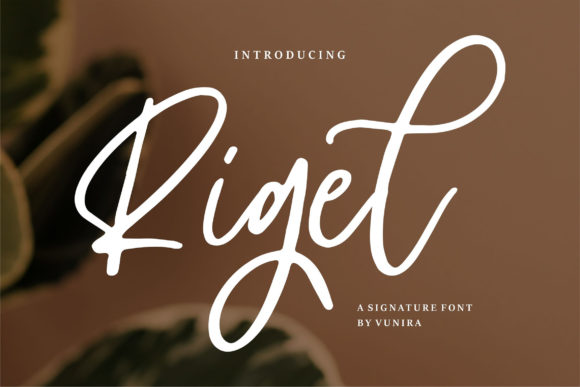
Rigel Font: A Stylish Brushed Script for Design
Typography is often the silent ambassador of a brand or a personal message. It sets the tone before a single word is read. Among the vast library of typefaces available today, Rigel stands out as a distinctive choice for those seeking a balance between elegance and approachability. As a stylish and brushed script font, it captures the organic flow of handwriting while maintaining the structural integrity needed for professional design. Whether you are crafting a wedding invitation or designing a logo for a new boutique, understanding the nuances of this typeface can elevate your visual communication.
Understanding the Aesthetic of Rigel
Rigel is not just a collection of letters; it is a stylistic tool that mimics the natural variation of a brush stroke. The "brushed" quality refers to the subtle changes in line weight that occur when a physical brush moves across paper. This creates a dynamic texture that feels human and warm, contrasting sharply with the rigid uniformity of standard sans-serif or serif fonts. The style is modern yet timeless, avoiding the overly ornate flourishes of traditional calligraphy in favor of a cleaner, more contemporary look.
This aesthetic versatility is why Rigel looks stunning on wedding invitations, thank you cards, quotes, greeting cards, logos, business cards, and every other design which needs a handwritten touch. It bridges the gap between formal elegance and casual intimacy. For designers, this means the font can adapt to various contexts without losing its core identity. It is legible enough for short phrases but decorative enough to serve as a focal point.
Why Different Audiences Choose Rigel
The appeal of a specific font varies significantly depending on who is using it and for what purpose. What matters to a seasoned graphic designer differs from the priorities of a small business owner or a hobbyist creating a personal gift. Here is how different groups evaluate and utilize Rigel.
For Wedding Planners and Couples
In the world of weddings, atmosphere is everything. Couples often spend months curating the feel of their special day, and typography plays a crucial role in setting expectations. Rigel is a popular choice for wedding invitations because it conveys romance without appearing outdated. Its brushed strokes suggest a personal touch, implying that the event will be intimate and thoughtful.
For this audience, the primary priority is presentation. The font must look exquisite when printed on high-quality cardstock. It pairs well with minimalist layouts, allowing the script to shine without overwhelming the design. When used for table numbers or menu headers, Rigel adds a cohesive thread of elegance throughout the event materials.
For Entrepreneurs and Small Business Owners
Startups and small businesses often struggle to establish a brand identity that feels both professional and accessible. A logo designed with Rigel can signal creativity and care. This is particularly effective for industries such as beauty, wellness, artisanal foods, or boutique retail. The handwritten style suggests that the business is hands-on and personable, distinguishing it from larger, impersonal corporations.
Here, the focus shifts to commercial value and brand consistency. Business owners need a font that works across various mediums, from social media graphics to packaging labels. Rigel’s clarity ensures that it remains readable even at smaller sizes, such as on a business card. However, entrepreneurs must use it sparingly. Using a script font for body text can reduce readability, so it is best reserved for headlines, logos, and accent elements.
For Content Creators and Marketers
Digital marketers and bloggers operate in a fast-paced environment where visual appeal drives engagement. Social media platforms like Instagram and Pinterest are highly visual, and quotes or promotional graphics need to stop the scroll. Rigel offers a quick way to add a polished, handmade feel to digital content. It is ideal for overlaying text on images, creating quote cards, or designing eBook covers.
For this group, speed and flexibility are key. They need a font that looks good out of the box without requiring extensive manipulation. Rigel’s balanced proportions mean it requires minimal kerning or spacing adjustments, allowing creators to produce high-quality visuals efficiently. It helps humanize digital brands, making them feel more relatable to their audience.
For Educators and Hobbyists
Teachers, crafters, and DIY enthusiasts often look for tools that enhance personal projects. Whether creating a classroom poster, a handmade greeting card, or a scrapbook page, Rigel provides a professional finish that elevates amateur designs. For educators, it can be used to make learning materials more engaging, particularly for subjects like literature or history where a classic feel is appropriate.
Hobbyists value ease of use and creativity. They may not have advanced design skills, so a font that is forgiving and visually appealing is essential. Rigel allows users to create sophisticated-looking projects with minimal effort. It encourages experimentation, whether used for journaling headers or custom gift tags.
Practical Considerations for Using Rigel
While Rigel is versatile, successful implementation requires an understanding of typographic principles. Regardless of your skill level, keeping the following points in mind will ensure the best results.
- Pairing: Script fonts should rarely stand alone. Pair Rigel with a clean sans-serif or a simple serif font for body text. This contrast improves readability and creates a balanced hierarchy. For example, use Rigel for the headline and a neutral sans-serif for the details.
- Spacing: Brushed scripts often have connecting strokes. Ensure there is enough space around the text so the letters do not collide with other design elements. Avoid placing Rigel over busy backgrounds, as the intricate details may get lost.
- Case Sensitivity: Script fonts typically look best in title case or sentence case. All-caps usage can disrupt the natural flow of the brush strokes and reduce legibility. Use lowercase for a softer, more inviting tone.
- Context: Consider the medium. On screens, ensure the font size is large enough to be read easily. In print, test a sample to check how the brush textures translate to paper. Some printing methods may smooth out the fine details, so high-resolution files are recommended.
Evaluating Fit for Your Project
Deciding whether Rigel is the right choice depends on your specific goals. If you are aiming for a corporate, tech-heavy, or industrial look, a geometric sans-serif might be more appropriate. However, if your project benefits from warmth, personality, and a human touch, Rigel is an excellent candidate.
Beginners should appreciate its straightforward application. There is no steep learning curve; install the font, type your text, and adjust the size. Professionals will value its refinement and the subtle details that hold up under scrutiny. For everyone in between, Rigel offers a reliable solution that enhances visual storytelling without demanding excessive technical expertise.
Ultimately, the power of Rigel lies in its ability to connect. In a digital age dominated by sterile interfaces, a brushed script font reminds viewers of the human hand behind the message. Whether you are inviting guests to a celebration, launching a brand, or simply sharing a thought, Rigel provides the stylistic bridge between intent and impact. By choosing a typeface that aligns with your emotional tone, you ensure that your design communicates not just information, but feeling.