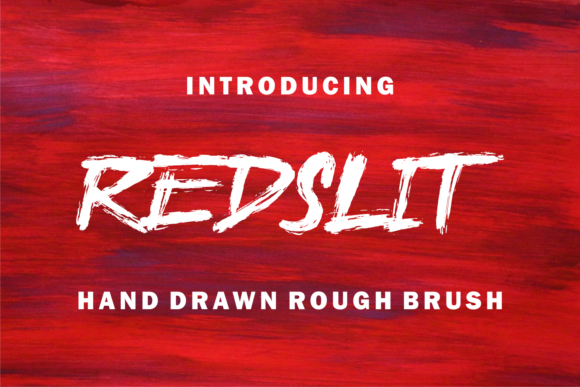
Redslit: The Brushed Display Font for Bold Branding
There is a specific moment in the design process when a project feels flat. You have your colors locked in, your layout is balanced, and your imagery is sharp, yet something is missing. Usually, that missing element is personality. This is where a strong display font can shift the entire dynamic of a piece. Enter Redslit, a typeface that manages to bridge the gap between raw, hand-crafted energy and polished, professional structure.
For designers, marketers, and small business owners who are tired of relying on the same overused geometric sans serifs, Redslit offers a refreshing alternative. It is not just a font; it is a statement piece. Whether you are building a brand identity from the ground up or looking for that one standout element for a social media campaign, understanding how to leverage this creative font can significantly elevate your visual output.
Visual Character and Personality
At first glance, Redslit presents itself as a cool, brushed display font. However, labeling it simply as "brushed" does not do justice to its versatility. The strokes carry the texture of a dry brush moving quickly across paper, creating edges that are imperfect yet intentional. This gives the typeface a human touch, removing the sterile feel often associated with digital typography.
The personality of Redslit is confident but approachable. It does not shout; it speaks with authority. The varying stroke widths create a natural rhythm that guides the eye across the text. Unlike a rigid sans serif font or a traditional serif font, Redslit occupies a unique space in modern typography. It feels contemporary and edgy, making it an excellent choice for brands that want to appear innovative without sacrificing warmth.
One of the most appealing aspects of this font is its texture. In an era where flat design has dominated web and app interfaces for years, there is a growing hunger for tactile elements. Redslit provides that tactile sensation visually. When used in packaging design, for example, it mimics the look of hand-stamped labels, suggesting artisanal quality and care. This subtle cue can influence consumer perception, making a product feel more premium and curated.
Strategic Applications Across Media
Knowing what a font looks like is one thing; knowing where to use it is another. Redslit is primarily a display font, which means it shines in headlines, titles, and short bursts of text. It is not designed for long-form body copy. Using it for paragraphs would compromise readability and fatigue the reader. Instead, think of it as the spotlight performer in your design ensemble.
- Logo Design: For startups and lifestyle brands, Redslit can serve as the foundation of a logo. Its distinct character ensures high recognition, helping new businesses stand out in crowded markets.
- Social Media Graphics: In the fast-scrolling environment of Instagram or Pinterest, you have seconds to capture attention. The bold strokes of Redslit stop the scroll, making it ideal for quote cards, announcement posts, and promotional banners.
- Packaging Design: As mentioned, the brushed texture complements physical products beautifully. It works exceptionally well for coffee bags, craft beer labels, cosmetic packaging, and boutique clothing tags.
- Editorial Design: Magazine covers and blog headers benefit from the dramatic flair of Redslit. It adds a layer of sophistication and artistic intent to editorial layouts.
When integrating Redslit into web design, consider using it for hero sections or call-to-action buttons. Its clarity at large sizes ensures that your primary message is unmistakable. However, always pair it with a clean, neutral body font to maintain balance. A simple, legible sans serif font for body text allows Redslit to breathe and perform its role without competing for attention.
Enhancing Brand Perception and Hierarchy
Typography is a silent ambassador for your brand. The fonts you choose communicate values before a customer reads a single word. Redslit communicates creativity, authenticity, and modernity. For entrepreneurs and content creators, aligning your typography with your brand voice is crucial for consistency.
Consider the concept of visual hierarchy. In any design, you need to guide the viewer’s eye to the most important information first. Redslit’s heavy weight and unique texture make it naturally dominant. By reserving this premium font for your most critical messages—such as headlines, key benefits, or limited-time offers—you create a clear path for the audience to follow. This strategic use of typography improves user experience and increases engagement.
Moreover, consistency builds trust. If you use Redslit across your website, email newsletters, and physical marketing materials, you create a cohesive brand identity. Customers begin to associate that specific brushed style with your business. Over time, this visual consistency leads to better brand recognition. People may not remember the exact words of your ad, but they will remember the look and feel of your communication.
Practical Guidance for Implementation
Adding a new typeface to your library is exciting, but successful implementation requires thoughtful consideration. Here are some practical steps to ensure Redslit delivers maximum value for your projects.
- Evaluate Project Fit: Before downloading, ask yourself if the project requires a display font. If you are designing a legal document or a dense technical manual, Redslit is not the right tool. Save it for projects where emotion, style, and impact are priorities.
- Test Font Pairings: Redslit pairs best with minimalist typefaces. Avoid pairing it with other decorative fonts, such as a script font or a handwritten font, as this can create visual clutter. Instead, choose a neutral sans serif with multiple weights to handle subheads and body text.
- Check Licensing: Always review the license agreement. Whether you are using it for personal hobby projects or commercial client work, ensure you have the appropriate commercial font license. This protects you and your clients from legal issues down the line.
- Mind the Spacing: Brushed fonts can sometimes have irregular kerning due to their organic shapes. When setting text in all caps or tight spaces, manually adjust the tracking and kerning to ensure letters do not collide or appear too distant.
- Contrast is Key: Because Redslit has texture, it needs sufficient contrast to remain legible. Avoid placing it over busy backgrounds. Solid colors or simple gradients work best to let the brush strokes stand out clearly.
Ultimately, Redslit is more than just a set of characters; it is a versatile design asset that can transform ordinary layouts into compelling visual stories. By understanding its strengths and limitations, you can use it to create work that resonates with your audience. Whether you are a seasoned designer refining your toolkit or a small business owner DIY-ing your marketing materials, this font offers the professional edge needed to make a lasting impression.
In a digital landscape saturated with generic templates, choosing a distinctive typeface like Redslit signals that you care about the details. It shows that you value aesthetics and understand the power of visual communication. So, the next time you start a new project, consider letting this brushed display font take center stage. It might just be the element that turns a good design into a great one.