Magill: Elevating Visual Identity Through Textured Typography
In the expansive world of graphic design, typography serves as more than just a vehicle for language; it is the visual voice of a brand. Among the myriad of typefaces available to modern creators, Magill stands out as a distinctive choice for those seeking to inject personality and tactile depth into their projects. As a rough textured, brushed display font, Magill bridges the gap between digital precision and organic imperfection, offering designers a tool that feels both contemporary and handcrafted. This article explores the unique characteristics of Magill, its practical applications across various industries, and why it has become a favored asset for professionals aiming to make their creative ideas come alive.
The Aesthetic Appeal of Rough Textured Typography
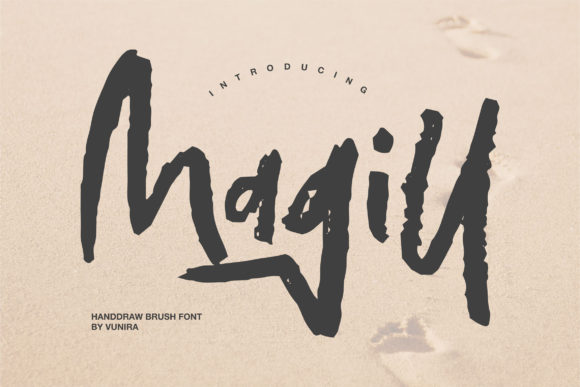
The rise of textured typography reflects a broader cultural shift towards authenticity and human connection in digital spaces. In an era where sleek, minimalist sans-serifs dominate corporate interfaces, there is a growing appetite for designs that feel touched by human hands. Magill embodies this trend through its brushed aesthetic. Unlike clean, vector-perfect fonts, Magill incorporates intentional irregularities—subtle variations in stroke width, edge roughness, and ink distribution—that mimic the natural outcome of a brush moving across paper or canvas.
This "imperfect" quality is not a flaw but a feature. It introduces warmth and approachability to designs that might otherwise feel sterile. For consumers and viewers, textured fonts like Magill trigger sensory associations. They evoke memories of handwritten notes, artisanal packaging, or vintage posters. This emotional resonance is crucial for brands attempting to establish trust and relatability. When a designer chooses Magill, they are not just selecting a shape for letters; they are choosing a mood that suggests craftsmanship, effort, and individuality.
Key Characteristics of the Magill Typeface
To fully leverage the potential of Magill, it is essential to understand its structural nuances. As a display font, it is designed primarily for headlines, titles, and short bursts of text rather than long-form body copy. Its bold presence commands attention, making it ideal for situations where immediate visual impact is required.
- Brushed Texture: The defining feature of Magill is its simulated brushstroke effect. The edges of the characters are not sharp but slightly frayed, creating a dynamic interplay between positive and negative space.
- High Contrast Potential: Due to its heavy weight and distinct texture, Magill performs exceptionally well against contrasting backgrounds. It pops vividly on solid colors, particularly when paired with minimalistic layouts.
- Organic Flow: Despite being a digital font, Magill retains the fluidity of calligraphy. The curves and terminals of the letters suggest movement, guiding the viewer’s eye through the word with a natural rhythm.
- Versatile Personality: While inherently rustic, Magill is adaptable. Depending on the accompanying color palette and imagery, it can appear rugged and masculine, elegant and artistic, or playful and whimsical.
Strategic Applications Across Industries
The versatility of Magill allows it to transcend specific niche markets, finding relevance in diverse sectors. Its ability to convey both strength and sophistication makes it a valuable asset for various professional contexts.
Branding and Identity Design
For startups and small businesses, particularly those in the artisanal, food, beverage, or lifestyle sectors, Magill offers a way to differentiate from corporate competitors. A coffee roaster, for instance, might use Magill for its logo to emphasize the hand-selected nature of its beans. Similarly, a boutique hotel could employ the font in its signage to suggest a personalized, non-standardized guest experience. The font’s texture communicates that the brand values quality and attention to detail over mass production.
Packaging and Product Design
In retail environments, packaging is the silent salesman. Magill’s bold display qualities make it highly effective for product labels where shelf impact is critical. Whether printed on kraft paper for an eco-friendly vibe or embossed on luxury boxes for a premium feel, the textured strokes of Magill add a tactile dimension that encourages consumers to pick up the product. It works particularly well for limited-edition releases, where the sense of exclusivity and craftsmanship is paramount.
Digital Marketing and Social Media
In the fast-scrolling environment of social media, stopping the thumb is the primary objective. Magill’s distinct visual signature helps create scroll-stopping graphics for Instagram posts, Pinterest pins, and YouTube thumbnails. When used for quote graphics, event announcements, or promotional banners, the font adds a layer of artistic credibility. However, designers must ensure legibility by maintaining sufficient contrast and avoiding overly busy backgrounds that might clash with the font’s inherent texture.
Best Practices for Implementing Magill
While Magill is a powerful design tool, its effectiveness depends on thoughtful implementation. Misuse of textured display fonts can lead to readability issues or visual clutter. Here are several considerations for integrating Magill into your workflow effectively.
- Limit Usage to Headlines: Reserve Magill for titles, headers, and short phrases. Its complex texture makes it unsuitable for body text, where clarity and ease of reading are prioritized. Pair it with a clean, simple sans-serif or serif font for secondary information to create balance.
- Mind the Scale: Magill shines when used at large sizes. At smaller scales, the intricate details of the brushed texture may blur or disappear, reducing its impact. Ensure that the font size is large enough to appreciate the textural nuances.
- Color Contrast is Key: Because the edges of the letters are irregular, low-contrast color combinations can make the text appear fuzzy or illegible. Use high-contrast pairings, such as dark text on light backgrounds or vice versa, to maintain sharpness and definition.
- Avoid Over-Decoration: Let Magill be the star. Adding excessive drop shadows, outlines, or other effects can overwhelm the natural texture of the font. Often, the font looks best when treated simply, allowing its organic character to speak for itself.
Psychological Impact on Audience Perception
Typography influences how audiences perceive the credibility and tone of a message. Research in consumer psychology suggests that typefaces congruent with the product’s attributes enhance brand evaluation. Magill, with its handcrafted appearance, signals authenticity. In a market saturated with polished, algorithmically generated content, the human touch implied by Magill can foster a deeper emotional connection.
For educators and researchers, using Magill in presentation materials can make complex topics feel more accessible and less intimidating. The informal yet strong nature of the font can break down barriers, inviting engagement rather than demanding passive consumption. For hobbyists and creators, it provides a sense of artistic license, encouraging experimentation and personal expression in their projects.
Comparing Magill to Other Display Fonts
When selecting a display font, designers often compare options based on mood and utility. Compared to standard script fonts, which can sometimes suffer from legibility issues due to connected letters, Magill offers the elegance of handwriting with the clarity of block letters. Unlike rigid geometric sans-serifs, which convey neutrality and modernity, Magill injects energy and emotion.
Furthermore, while other distressed or grunge fonts may appear worn or aged, Magill’s texture feels intentional and fresh. It avoids the cliché of looking "old" and instead achieves a timeless, artisanal quality. This distinction makes it suitable for both heritage brands looking to honor tradition and modern brands seeking to stand out through organic aesthetics.
Future Trends in Textured Typography
The popularity of fonts like Magill indicates a lasting trend towards hybrid design elements that blend digital efficiency with analog charm. As technology advances, we see an increasing sophistication in how textures are rendered digitally, allowing for more nuanced and realistic effects. Designers are likely to continue exploring ways to incorporate tactile sensations into visual media, driven by the desire to create more immersive and memorable user experiences.
For business owners and marketers, staying attuned to these typographic trends is essential. Utilizing tools like Magill allows brands to remain relevant and resonant with audiences who value authenticity. By understanding the strategic application of textured typography, professionals can elevate their visual communication, ensuring that their messages are not only seen but felt.
In conclusion, Magill is more than just a font; it is a design element that brings life, texture, and personality to creative projects. Whether used in branding, packaging, or digital media, its rough, brushed aesthetic offers a unique opportunity to connect with audiences on a human level. By mastering its usage and understanding its psychological impact, creators can harness the full potential of Magill to make their ideas truly come alive.