Frame: Elevating Design with a Brushed, Casual Display Font
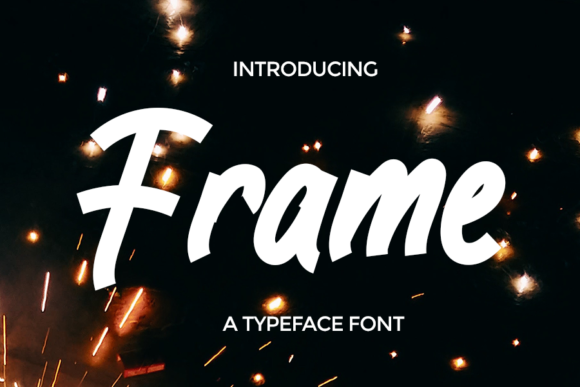
In the saturated landscape of modern graphic design, where digital noise competes for attention every second, typography has evolved from a mere vessel for information into a primary emotional trigger. Among the myriad options available to creators today, Frame stands out as a distinctive choice for those seeking to balance professionalism with approachability. As a cool, brushed, and casual display font, Frame captures the essence of human touch in an increasingly automated world. It is not just a typeface; it is a design statement that resonates with contemporary audiences who value authenticity, energy, and clarity.
The relevance of Frame extends far beyond aesthetic preference. It addresses a shifting paradigm in how brands communicate. Consumers, particularly those in the 20-to-50-year-old demographic, are growing weary of sterile, corporate minimalism. They crave connection. They look for signs of humanity in the brands they support, the clothing they wear, and the content they consume. Frame, with its textured strokes and relaxed demeanor, bridges the gap between high-quality design and relatable warmth. Whether applied to sportswear labels, bold advertisements, or innovative logos, this font serves as a versatile tool for modern storytellers.
The Shift Toward Authentic Typography
To understand why Frame is gaining traction, one must look at the broader trends influencing visual communication. For years, the design industry was dominated by sleek, geometric sans-serifs that promised efficiency and modernity. While these fonts served their purpose, they often lacked personality. Today, there is a marked return to organic forms. This shift is driven by a desire for transparency and genuineness. Brands are moving away from polished perfection toward designs that feel handcrafted and intentional.
Frame fits seamlessly into this narrative. Its brushed characteristics mimic the natural variation of a paintbrush or marker, introducing subtle imperfections that signal human involvement. This is crucial in an era where artificial intelligence can generate flawless but soulless graphics. By choosing a font like Frame, designers inject a layer of credibility and warmth into their work. It suggests that behind the logo or the advertisement, there are real people with real values. This psychological impact is subtle but powerful, influencing how users perceive trust and quality.
Moreover, the casual nature of Frame aligns with the changing habits of digital consumption. Social media platforms favor content that feels native and unforced. Overly formal typography can create a barrier, making a brand appear distant or elitist. In contrast, Frame’s relaxed structure invites engagement. It works exceptionally well in environments where speed and impact matter, such as Instagram stories, TikTok overlays, or quick-scrolling e-commerce sites. It captures attention without demanding excessive cognitive load, allowing the message to land quickly and effectively.
Versatility Across Industries and Applications
One of the most compelling aspects of Frame is its adaptability. While it is classified as a display font, its utility spans various sectors. Designers and entrepreneurs are finding innovative ways to leverage its unique character across different mediums. Here is how Frame is transforming specific design categories:
- Apparel and Sportswear: In the fashion industry, especially within the athleisure and streetwear segments, typography is often the centerpiece of the design. Frame’s bold, brushed strokes look exceptional on t-shirts and hoodies. It conveys movement and energy, making it ideal for sportswear brands that want to project vitality and dynamism. The texture of the font adds depth to printed fabrics, ensuring that the design remains visually interesting even up close.
- Logo Design: Creating a memorable logo requires a balance of distinctiveness and readability. Frame offers a strong visual identity without being overly complex. For startups and small businesses, particularly those in creative fields, food and beverage, or lifestyle sectors, Frame provides a friendly yet professional face. It helps new brands establish an immediate personality that feels established and trustworthy.
- Advertising and Marketing Materials: In advertising, the goal is to stop the scroll. Frame’s high-contrast features and casual vibe make it perfect for headlines and call-to-action buttons. Whether used in digital banners, print posters, or packaging, it draws the eye and encourages interaction. Its legibility ensures that the core message is not lost in stylistic flair.
- Digital Content and Blogging: Content creators and bloggers use Frame to break up text-heavy layouts. Using it for section headers or pull quotes adds visual rhythm to articles and newsletters. It helps guide the reader’s eye through the content, making long-form reading more engaging and less daunting.
This versatility makes Frame a valuable asset for freelancers and agencies alike. Instead of licensing multiple fonts for different projects, designers can rely on Frame to handle a wide range of tasks, from bold hero sections to subtle accent elements. This efficiency supports modern workflows where speed and consistency are paramount.
Practical Implications for Creators and Businesses
For professionals navigating the competitive landscape of design and marketing, choosing the right typography is a strategic decision. Frame offers several practical advantages that go beyond aesthetics. First, it enhances brand differentiation. In markets flooded with similar-looking competitors, a distinctive font can be a key differentiator. Frame’s unique brushed style ensures that designs stand out, helping brands carve out a recognizable niche.
Second, Frame supports emotional branding. Modern consumers make purchasing decisions based on how a brand makes them feel. The casual, approachable nature of Frame fosters a sense of community and belonging. It is particularly effective for brands targeting millennials and Gen Z, who prioritize authenticity and social responsibility. By using a font that feels human and accessible, businesses can align themselves with these values, fostering deeper loyalty among their customer base.
Third, Frame simplifies the design process. Its inherent style reduces the need for excessive graphical embellishments. When the typography itself carries weight and character, designers can keep layouts clean and focused. This minimalist approach not only looks modern but also improves usability, especially on mobile devices where screen real estate is limited. Clear, impactful typography ensures that messages are communicated effectively regardless of the device used.
Integrating Frame into Modern Workflows
Adopting Frame into your design toolkit requires a thoughtful approach to maximize its potential. Here are some recommendations for integrating this font into your projects:
- Pairing with Complementary Fonts: Since Frame is a display font, it works best when paired with a simple, neutral sans-serif for body text. This contrast ensures readability while allowing Frame to shine in headlines and titles. Avoid pairing it with other decorative fonts, as this can create visual clutter and reduce impact.
- Considering Color and Texture: The brushed texture of Frame interacts interestingly with color. Experiment with bold, vibrant colors to enhance its energetic feel, or use muted tones for a more sophisticated, understated look. Be mindful of background textures; ensure there is enough contrast so that the details of the brush strokes remain visible.
- Scaling for Impact: Frame is designed to be seen. Use it at larger sizes to fully appreciate its character details. Avoid using it for small print or lengthy paragraphs, as its decorative nature can hinder readability at smaller scales. Reserve it for moments that require emphasis and attention.
- Maintaining Consistency: Once you incorporate Frame into your brand identity, use it consistently across all touchpoints. From your website header to your packaging and social media graphics, consistent usage reinforces brand recognition and builds trust over time.
By following these guidelines, creators can harness the full power of Frame, turning typography into a strategic advantage. It is not just about making things look good; it is about communicating effectively and connecting meaningfully with your audience.
Looking Ahead: The Future of Display Typography
As technology continues to evolve, so too will the role of typography in design. We are seeing a rise in variable fonts and dynamic typography that adapts to user interactions. While Frame is a static font, its design principles align with these future trends. Its organic, human-centric aesthetic serves as a counterbalance to the cold precision of digital interfaces. As screens become higher resolution and more immersive, the demand for typography that feels tactile and real will likely increase.
Furthermore, the globalization of design means that fonts must work across diverse cultural contexts. Frame’s casual and universal appeal makes it a safe yet stylish choice for international brands. It avoids cultural specificities that might alienate certain audiences, offering a neutral yet warm tone that translates well across borders. This global readiness is essential for businesses looking to expand their reach in an interconnected world.
In conclusion, Frame represents more than just a trend in font design; it reflects a broader shift towards authenticity and human connection in visual communication. For designers, marketers, and business owners, it offers a powerful tool to cut through the noise and speak directly to the hearts of their audience. By embracing the cool, brushed, and casual qualities of Frame, creators can produce work that is not only visually striking but also emotionally resonant. In a world that often feels disconnected, typography like Frame reminds us of the value of the human touch.