Evaluating the Study Hard Font for Urban and Sportswear Design
In the competitive landscape of graphic design, typography serves as more than just a vessel for text; it is a primary driver of brand identity and emotional resonance. For designers working within the urban, streetwear, or athletic sectors, selecting a typeface that conveys energy and authenticity is critical. One option that has garnered attention in recent years is Study Hard, a handwritten font characterized by its cool, paint-brushed aesthetic. This article provides an objective evaluation of the Study Hard typeface, exploring its stylistic attributes, ideal applications, and practical considerations to help designers determine if it aligns with their specific project goals.
Understanding the Aesthetic of Study Hard
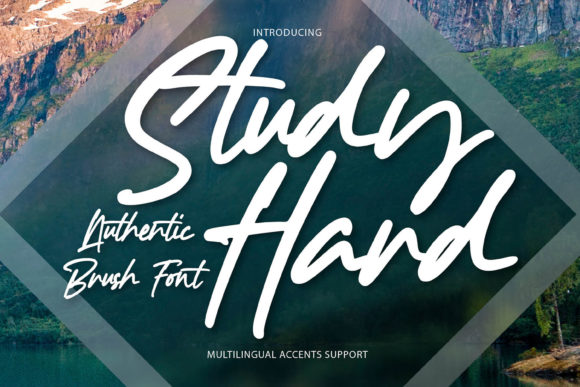
Study Hard is classified as a handwritten display font, but its visual language draws heavily from urban graffiti and marker-style lettering. The defining characteristic of this typeface is its "paint-brushed" appearance. Unlike clean, vector-based sans-serifs, Study Hard features irregular edges, varying stroke widths, and a textured finish that mimics the physical application of ink or paint on a surface. This intentional imperfection creates a sense of immediacy and human touch, which is often lacking in digital-only fonts.
The "cool" factor associated with this font stems from its casual, rebellious undertones. It does not strive for geometric perfection. Instead, it embraces the organic flow of handwriting, making it particularly effective for designs that aim to feel approachable, youthful, or edgy. When evaluating this font, it is essential to recognize that its strength lies in its personality. It is not a neutral tool; it makes a statement. Therefore, its suitability is highly dependent on the context in which it is used.
Primary Applications and Ideal Use Cases
The versatility of Study Hard is best realized in industries where visual impact and lifestyle association are paramount. Based on its stylistic traits, several key areas emerge where this font tends to perform exceptionally well.
- T-Shirts and Apparel: The fashion industry, particularly the streetwear segment, relies heavily on typography that feels authentic. Study Hard’s brush-style letters integrate seamlessly into garment designs, offering a look that suggests custom hand-lettering without the cost of commissioning an artist for every piece.
- Sportswear and Athletic Branding: Sports marketing often emphasizes motion, energy, and determination. The dynamic strokes of Study Hard mirror the physicality of athletic movement. It is well-suited for jersey numbers, team logos, or motivational slogans on gym equipment and apparel.
- Logos for Lifestyle Brands: For startups or small businesses in the skate, surf, or urban culture spaces, a logo needs to stand out. Study Hard provides a distinct visual identity that differentiates a brand from competitors using standard corporate typography.
- Advertisements and Social Media Graphics: In digital marketing, capturing attention quickly is vital. The bold, textured nature of this font helps headlines pop against photographic backgrounds, making it a strong choice for promotional banners and social media posts targeting younger demographics.
Benefits of Choosing a Paint-Brushed Style
Opting for a font like Study Hard offers several strategic advantages for designers. First, it reduces the need for extensive post-processing. Many clean fonts require additional texturing or distressing effects to fit into grunge or urban layouts. Study Hard comes with these textures built-in, streamlining the workflow. Second, it enhances readability in short bursts. While complex scripts can be difficult to decipher, the blocky, upright structure of Study Hard maintains legibility while still offering stylistic flair. Finally, it fosters an emotional connection. Consumers often perceive handwritten elements as more personal and trustworthy, which can be beneficial for brands aiming to build community engagement.
Tradeoffs and Limitations to Consider
Despite its strengths, Study Hard is not a universal solution. Designers must acknowledge its limitations to avoid misapplication. The most significant tradeoff is legibility at smaller sizes. The intricate details of the brush strokes can become muddy or indistinct when scaled down for body text, footnotes, or small print labels. Consequently, this font should strictly be reserved for headlines, titles, and short phrases.
Another consideration is tone mismatch. The urban, casual vibe of Study Hard may clash with brands that require a sense of luxury, tradition, or corporate stability. Using this font for a law firm, a financial institution, or a high-end jewelry brand could undermine the perceived professionalism of the entity. Additionally, because handwritten styles are trendy, there is a risk of the design feeling dated if the trend shifts. Designers should consider whether the font’s style aligns with the long-term vision of the brand or if it is merely a short-term tactical choice.
Comparing Study Hard to Alternatives
When evaluating typography options, it is helpful to compare Study Hard against other categories. If a project requires a similar energetic feel but greater legibility, a bold sans-serif with italicized cuts might be a viable alternative. These fonts offer motion and impact without the texture variability of a brush font. Conversely, if the goal is a more refined artistic look, a calligraphic script might be preferable, though it would sacrifice the urban edge that Study Hard provides.
For designers considering multiple brush fonts, the decision often comes down to the weight and spacing of the characters. Study Hard is notable for its relatively dense structure. If a design requires more breathing room or a lighter touch, a thinner marker-style font might be more appropriate. Understanding these nuances allows for more precise selection based on the specific compositional needs of the layout.
Practical Decision-Making Insights
To determine if Study Hard is the right choice for your project, consider the following checklist:
- Define the Audience: Is the target demographic young, active, and interested in urban culture? If yes, this font is likely a strong fit.
- Assess the Medium: Will the text be displayed large on a t-shirt or billboard? Avoid using it for small-scale print materials where detail loss is a concern.
- Evaluate Brand Personality: Does the brand value authenticity and energy over formality and precision? Study Hard aligns with the former.
- Check Pairing Compatibility: Ensure that the secondary fonts in your design complement the roughness of Study Hard. Clean, simple sans-serifs often provide the best balance.
In conclusion, Study Hard is a specialized tool in the designer’s toolkit. Its paint-brushed, urban aesthetic makes it an excellent candidate for sportswear, t-shirts, and lifestyle branding where personality and impact are prioritized. However, its utility is bounded by issues of legibility and tonal appropriateness. By carefully weighing these factors against project requirements, designers can make an informed decision that enhances their visual communication strategy. Whether you are creating a new logo or designing a seasonal clothing line, understanding the specific strengths and constraints of this font will help you achieve a more effective and cohesive final design.